
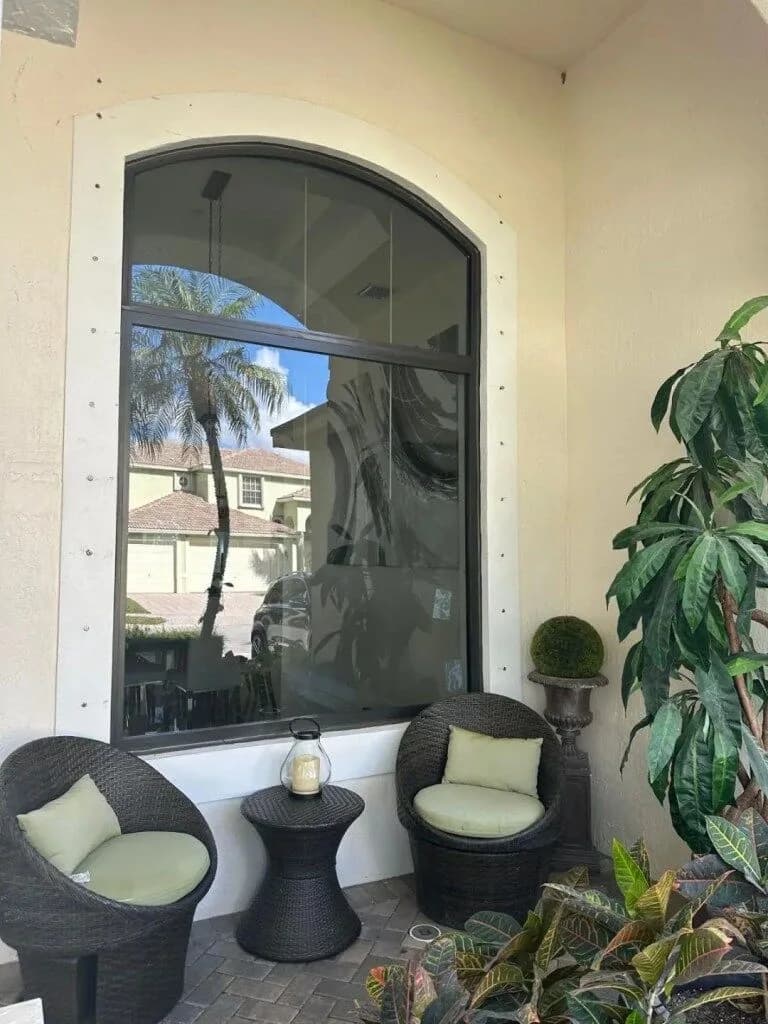
Impact glass versus regular windows
Are you trying to understand why impact windows cost more than standard insulated glass? That is one of the first questions many South Florida homeowners ask. Impact windows use laminated glass that is designed to stay in the frame when struck by debris. Regular insulated glass can shatter and leave the opening unprotected. In Miami-Dade HVHZ and many wind-borne debris regions, impact-rated systems or approved opening protection are the compliance path for exterior openings. Tempered glass is not the same as impact laminated glass, even when both look clear from the living room.
How laminated impact glass works
A plastic interlayer bonds glass plies so the pane holds together after impact — similar in concept to windshield glass, engineered for hurricane debris testing. PVB and SGP are common interlayer types. SGP is generally stiffer and stronger after breakage, and it usually costs more. Ask which interlayer is in the package you are buying rather than assuming every “impact” label is identical. A calm product walkthrough should explain the glass package in plain language before you sign.
The whole system matters, not just the glass
For South Florida compliance, the frame, hardware, anchors, and installation method must match the approved configuration. A strong glass lite in the wrong frame is still the wrong product. Miami-Dade Notices of Acceptance describe tested assemblies. Match documents to the opening before you order. If a bid talks about glass thickness alone and never mentions the approved system, ask for more detail. You can rest assured that careful paperwork protects inspection day as much as the glass itself.
Everyday differences beyond storms
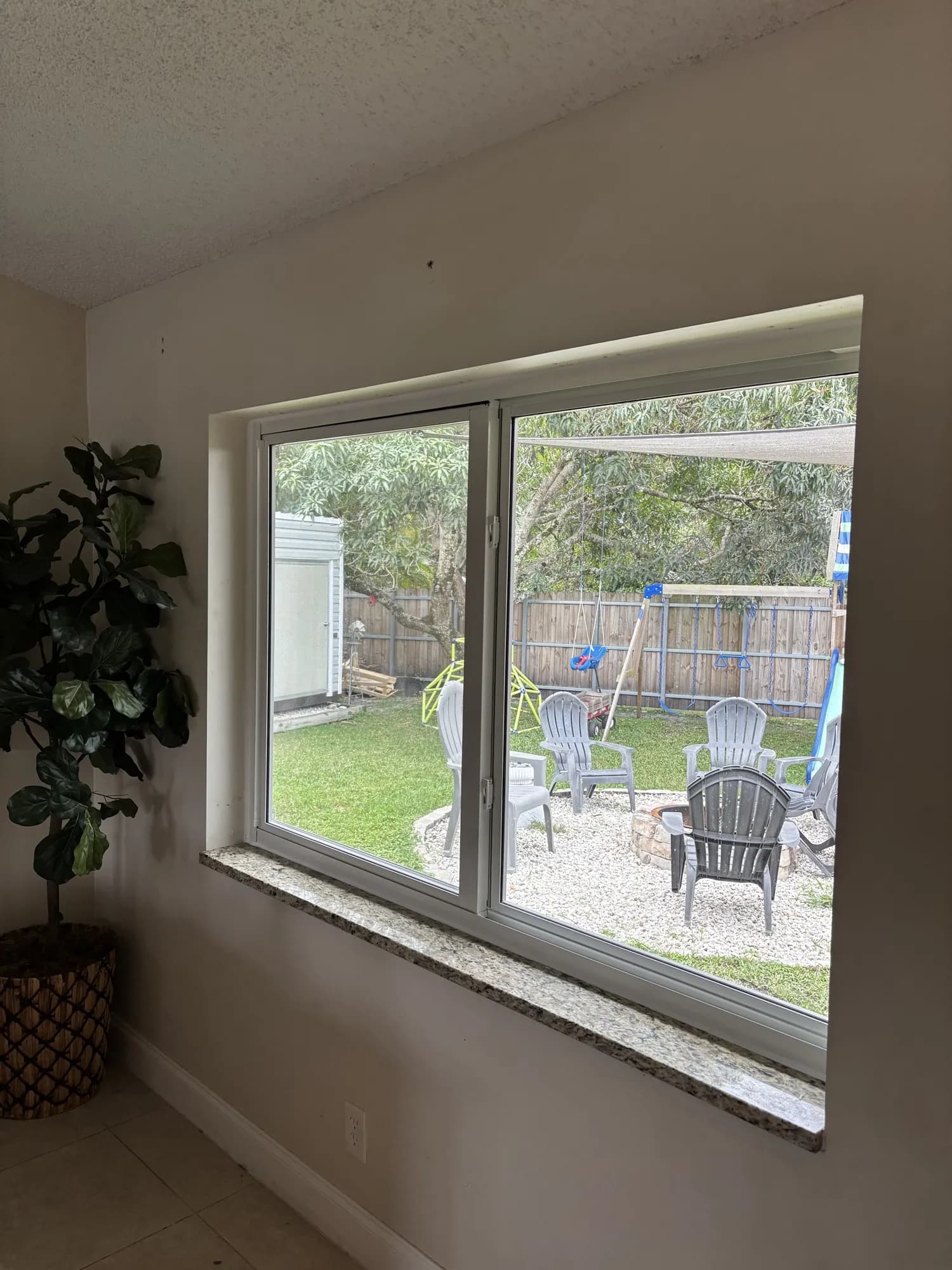
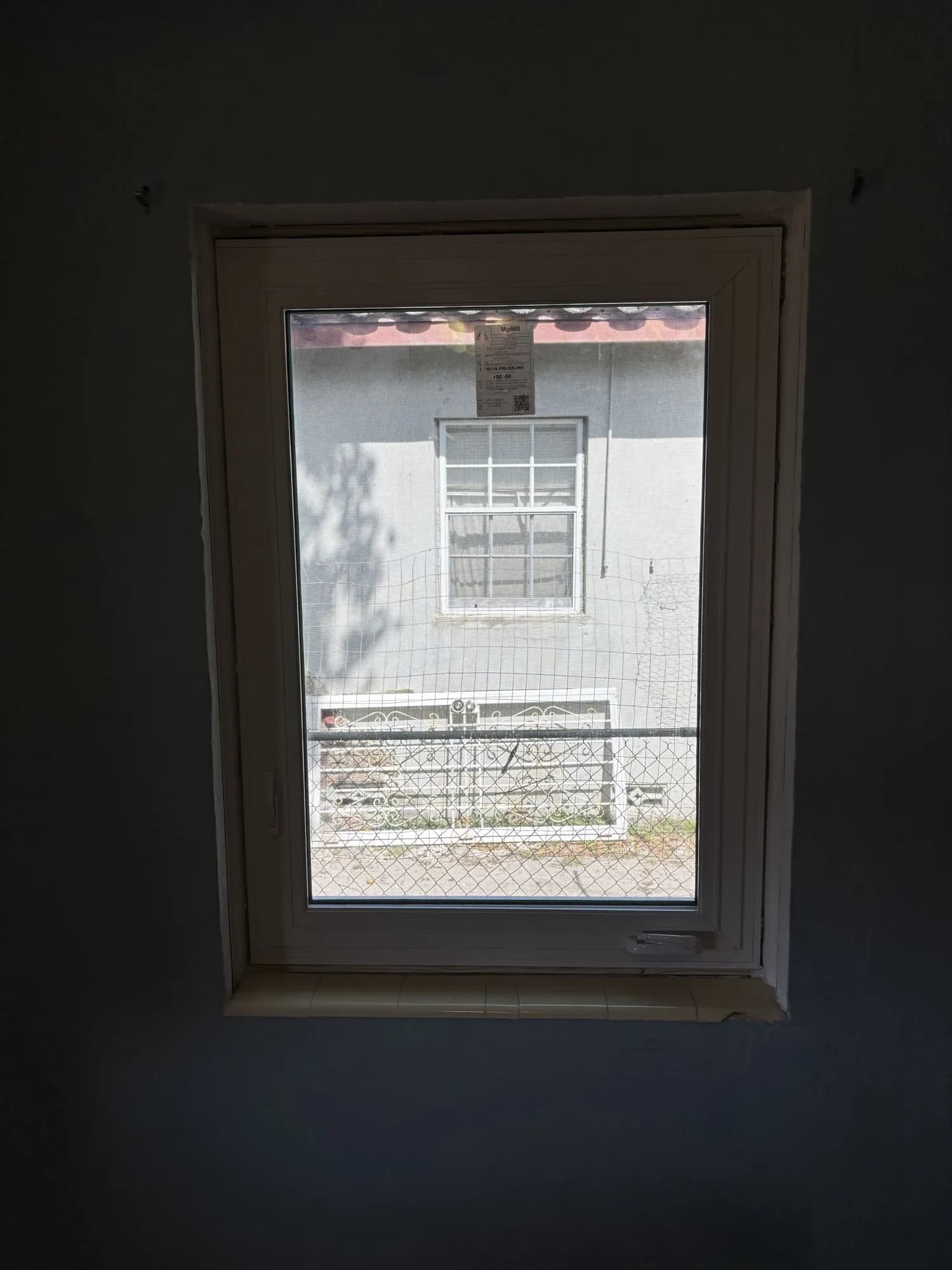
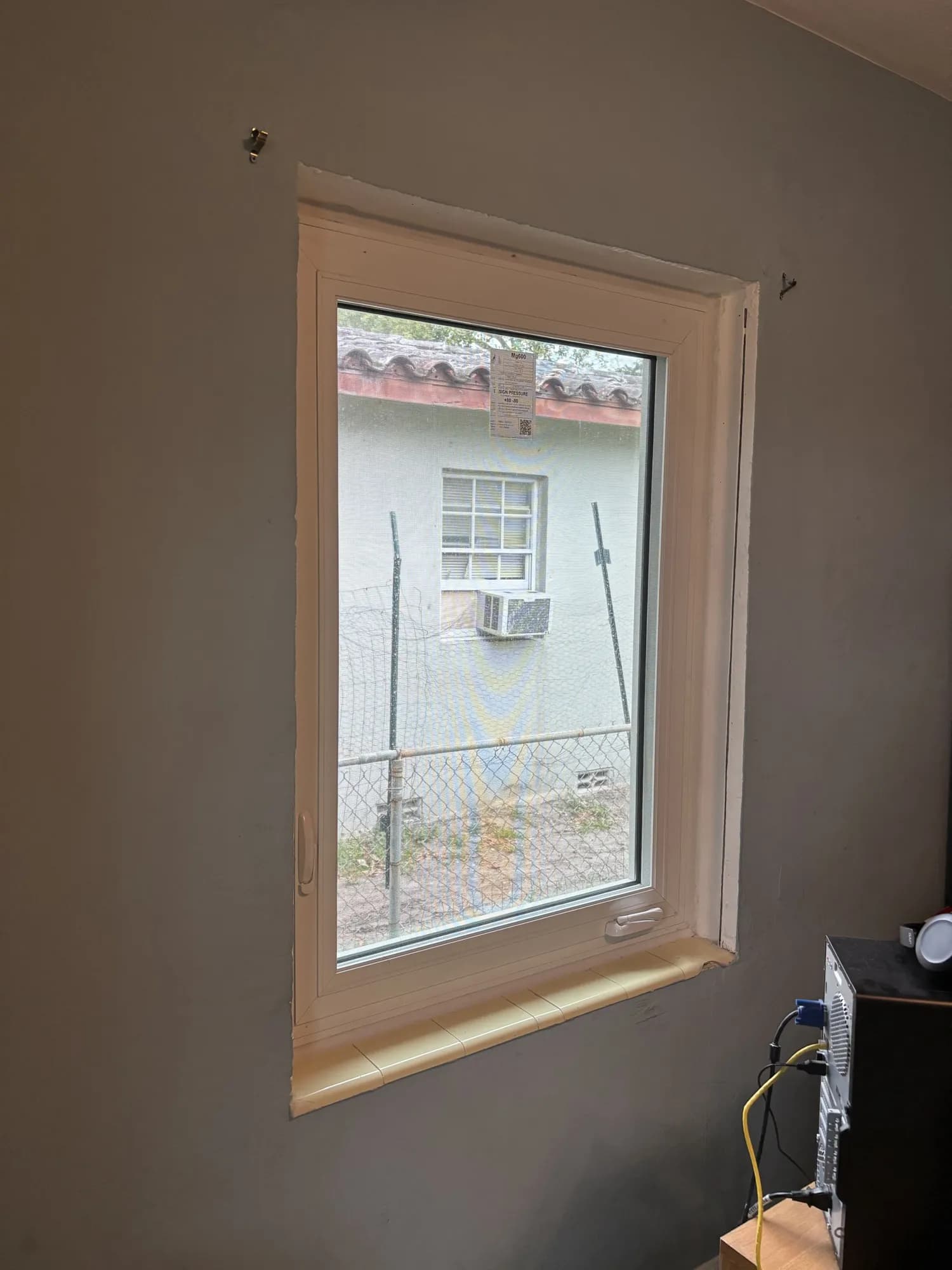
Many homeowners notice quieter rooms, better security, and less daily shutter work after switching to impact. Energy performance depends on the full insulated package and Low-E coatings when included. Comfort gains are real for many homes, but they vary with orientation, AC, and existing envelope quality. Treat comfort as a benefit, not a guaranteed utility bill percentage. If noise or security is your main daily concern, say so during the estimate so options can be framed around your needs.
What Low-E means — and what it does not
Low-E is a thin coating that reflects heat while letting light through, which can improve comfort and reduce UV fading. Low-E is not the same as impact rating. Many impact packages include Low-E as a separate feature, but a Low-E window without laminated impact construction is still not an impact system. Ask for both features to be listed clearly on the proposal so you know what you are buying.
Cost and when regular glass is the wrong save
Regular windows usually cost less upfront. In HVHZ and many coastal code paths, that savings can disappear if the product fails inspection or leaves you unprotected. Planning ranges for impact windows often start around $800 to $1,800 installed per typical opening, with coastal and oversized units higher. Get measured bids when you are ready to compare real scopes. A cheaper non-compliant opening can cost more later in rework, insurance friction, or storm risk.
Choosing for Miami-Dade, Broward, and Palm Beach
Local wind zones and permit desks differ, but the homeowner question is the same: will this opening hold when debris flies, and will the paperwork close cleanly? Coastal homes and exposed elevations often need higher design pressure ratings than inland openings of the same size. Soft next step: contact Atlantic Door Systems for a plain-language product walkthrough. Our Florida contractor license is CGC1538327, and we will help you match glass and frame choices to your openings without pressure.