
Quick answer
If you live in Miami-Dade — or in Broward areas that follow HVHZ rules — product approval is a building-department requirement, not a brochure slogan. Departments expect tested systems, and homeowners deserve to know how to check those approvals before they put down a deposit.
A Miami-Dade NOA is product approval for a tested assembly. We help homeowners verify the documents, match them to the openings, and move from product selection through permits and install.

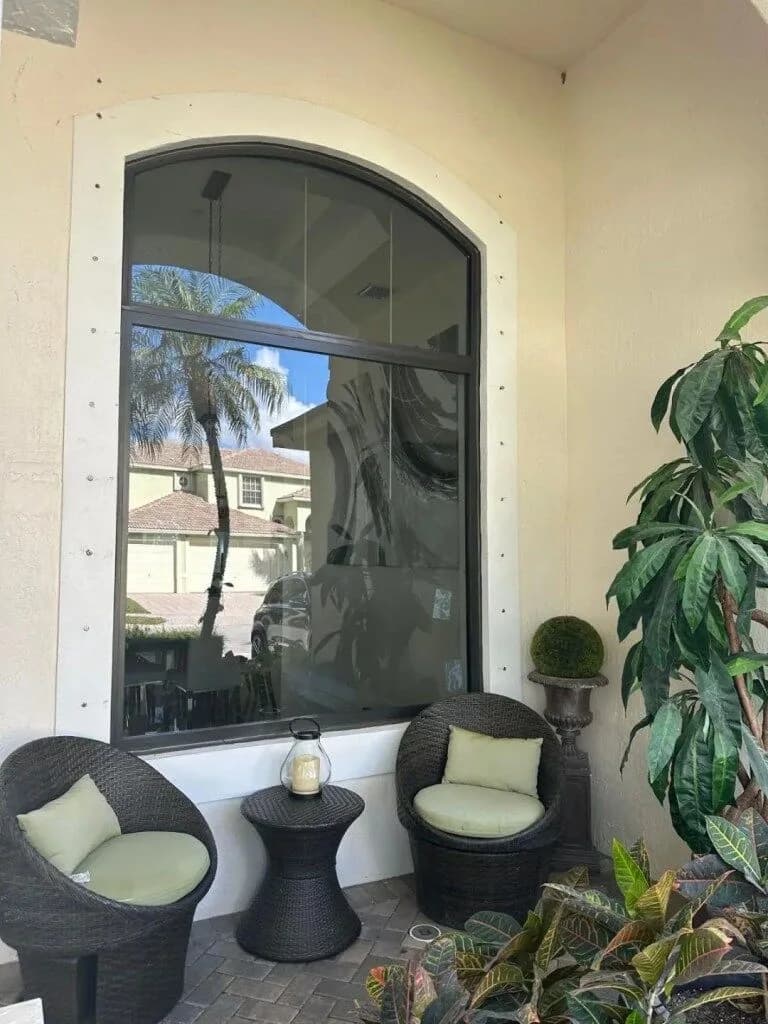
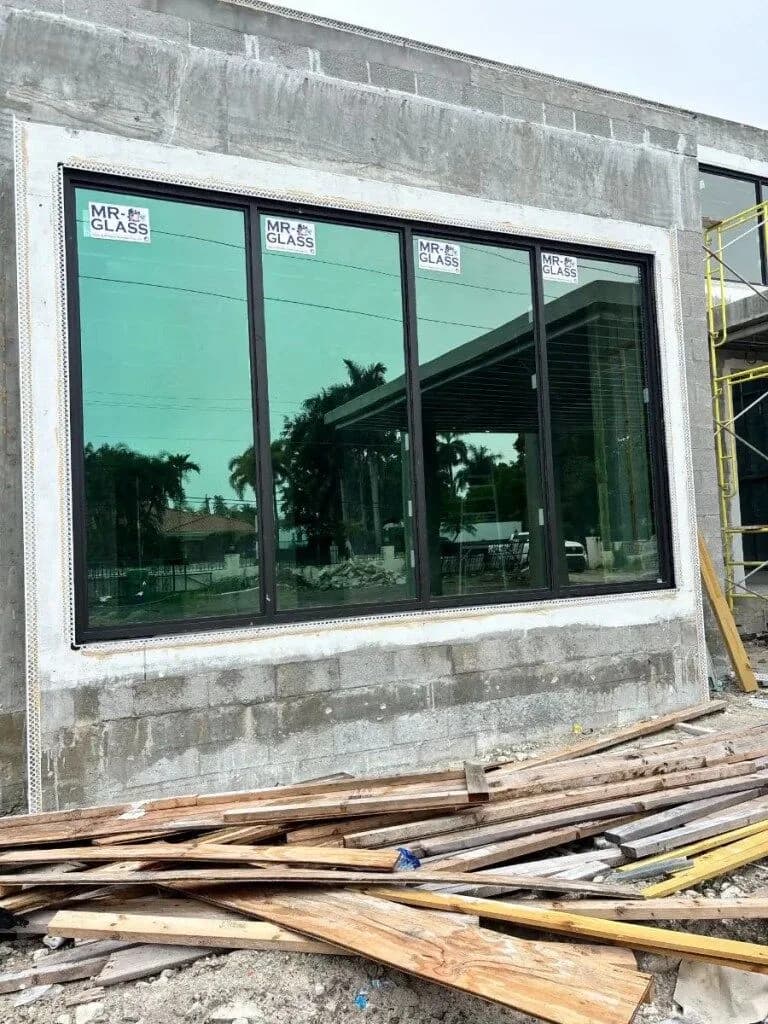
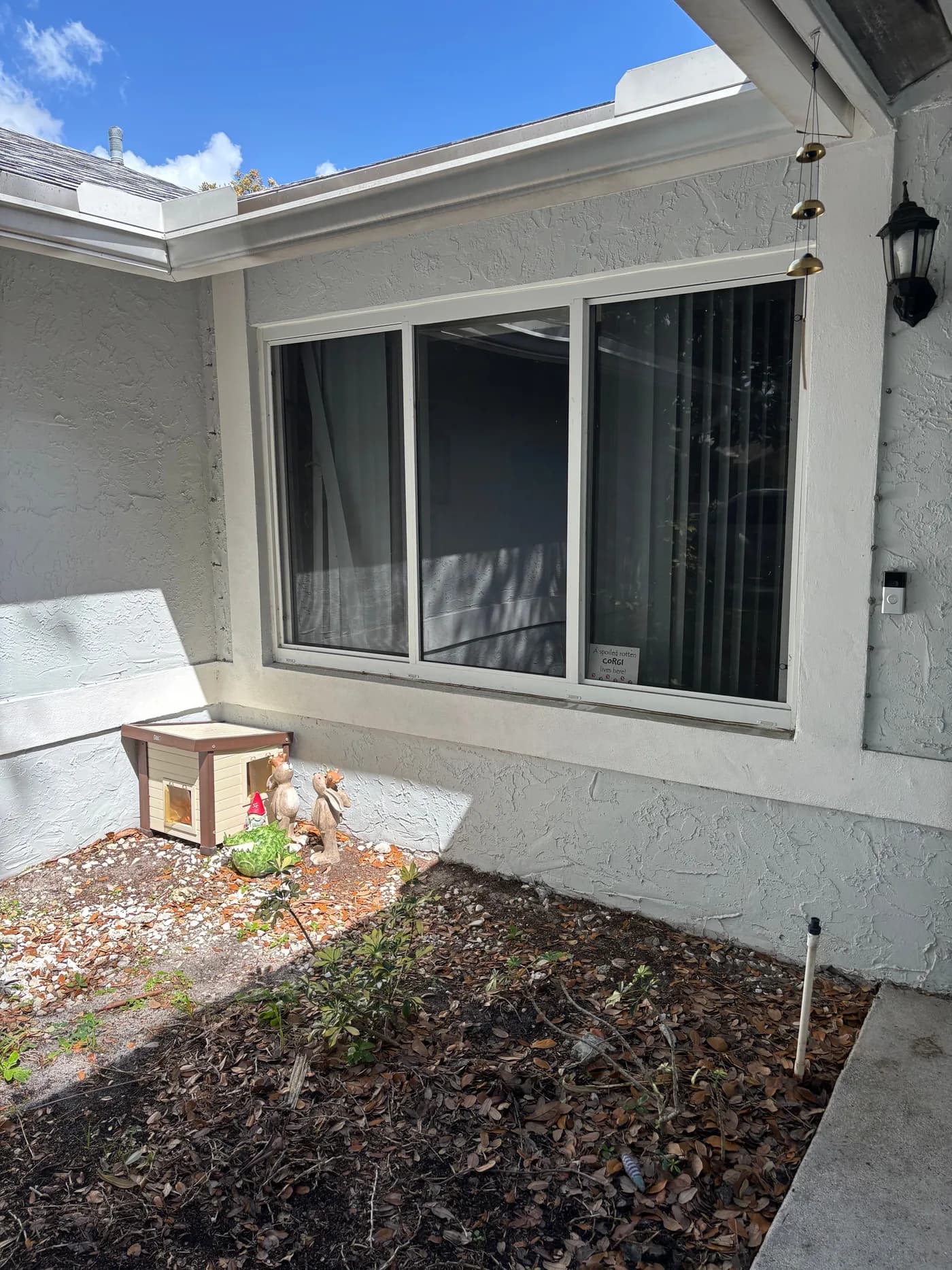
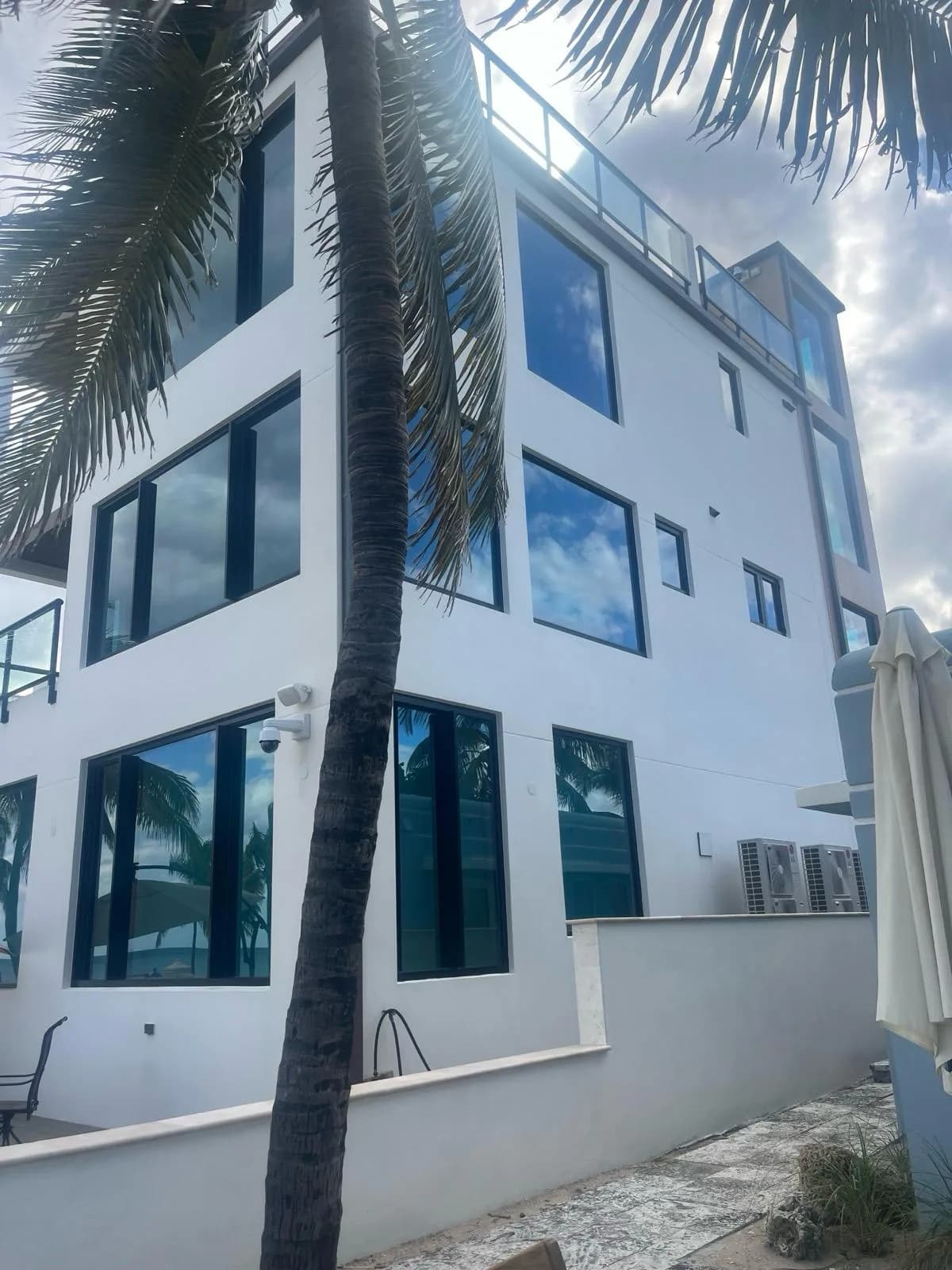
What a Miami-Dade NOA means for your home
A Notice of Acceptance is Miami-Dade County’s product approval for systems tested for severe weather use in the High Velocity Hurricane Zone. It is more specific than a brand reputation. The NOA covers a tested assembly — frames, glass, and often installation details — so swapping parts or sizes casually can take you outside the approved configuration.
How to verify an NOA before you buy
Ask for the NOA number tied to the exact window you are ordering. Check that the size, glass type, and installation method match what will be installed. You can cross-check active approvals through Miami-Dade’s product control search. We walk homeowners through that paperwork during the estimate so you are not guessing from a brochure photo.
Design pressure, impact testing, and plain-language ratings
Impact products are evaluated for debris resistance and for design pressures that relate to wind loads on your openings. Larger glass and more exposed walls often need higher-performing packages. Your estimator should explain those choices in everyday terms — what changed in the quote and why — instead of hiding behind acronyms.
Permits and Florida Product Approval vs NOA
Window replacement in South Florida almost always needs a permit. In HVHZ jurisdictions, Miami-Dade NOA is the common path for impact windows and doors. Outside HVHZ, Florida Product Approval may apply instead. We confirm the right path for your address and close the permit after inspection so insurance and resale files stay cleaner.
Cost planning for Miami-Dade approved systems
Approved products are not automatically the most expensive option on every house, but cheap quotes that skip approvals create expensive problems later. Use published planning ranges to spot outliers, then rely on a measured written estimate. For style-by-style detail, visit our impact windows hub and cost guide.
Deeper NOA reference
The sections below expand on verification, design pressure, and documentation for homeowners who want more detail.
What a Miami-Dade NOA means in plain language
If you live in Miami-Dade or shop for hurricane products nearby, you will hear the letters NOA again and again. NOA stands for Notice of Acceptance. In simple terms, it is Miami-Dade’s product approval showing that a specific window or door system passed required testing for use in the county’s High Velocity Hurricane Zone. An NOA is not a vague hurricane sticker and it is not a brand slogan. It is documentation tied to tested configurations, installation methods, and performance limits. When someone says a window is Miami-Dade approved, they should be able to show the NOA that covers the exact product being installed. That clarity protects you at inspection time and later when insurance or a buyer asks for proof. Atlantic Door Systems walks homeowners through NOA sheets so the paperwork matches the openings on your home.
Why HVHZ rules raise the documentation bar
Miami-Dade sits in the High Velocity Hurricane Zone, where wind and debris standards are especially demanding. That is why product approval and correct installation get so much attention here. The goal is not paperwork for its own sake. The goal is to make sure the system in your wall is one that was tested to perform as a system. Frames, glass, anchors, and installation instructions belong together. Mixing parts from different approvals can create a unit that looks finished but does not match what was tested. HVHZ rules can feel strict when you first hear them, yet they exist because coastal homes face serious storm exposure. Understanding the NOA early helps you compare bids with more confidence. If two quotes name different series or different approvals, you are not comparing the same protection story. Ask each company to show the documents before you choose.
NOA versus marketing claims and hurricane stickers
Marketing language can get ahead of the documents. Words like storm ready, hurricane glass, or impact rated are useful only when they point to a real approval path for your location. A sticker in a showroom does not replace an NOA PDF that lists sizes, glass types, and installation conditions. Some products are excellent outside Miami-Dade but still need the right local acceptance path for your city. Other products carry Miami-Dade approvals that are widely respected across South Florida. Your job as a homeowner is not to memorize every test protocol. Your job is to ask for the approval document and confirm it matches what will be ordered. If a salesperson cannot produce it, pause. A qualified installer should expect that question and answer it calmly. Contact Atlantic Door Systems if you want help reading an NOA without the jargon fog.
How to verify an NOA matches your configuration
An NOA can cover a product family, but not every size, glass makeup, or hardware option is automatically included. Verification means checking that your rough opening sizes, operable type, laminated glass package, and design pressure needs fit inside the approved limits. It also means confirming the installation method the crew will use is the one described for that system. This is where careful measuring and product selection matter. A beautiful window that sits outside the approved configuration can still create inspection trouble. Ask your estimator to note the NOA number on the proposal and to keep the supporting sheets with your project file. If your home has unusually wide picture windows or multi-panel doors, double-check those larger units with extra care. Matching configuration early is far easier than arguing with paperwork after manufacture. We build that check into normal estimating so surprises stay rare.
Design pressure, glass packages, and what the NOA is telling you
Design pressure is one of the technical phrases that makes homeowners tense, but the idea is practical. Different walls of your home can face different wind loads. The NOA and related product data help define which assemblies are rated for which conditions. Glass package choices, including laminated interlayer details, affect both performance and price. Higher ratings and larger spans often mean heavier systems. That does not mean every inland opening needs the most expensive coastal package. It does mean someone should evaluate elevations instead of guessing from a brochure photo. When you compare bids, ask whether the quoted design pressure is appropriate for your address and opening sizes. A cheaper unit with a weaker rating is not a savings if it is the wrong fit. A clear explanation of rating choices is a sign you are dealing with a careful team rather than a rush sale.
Broward and Palm Beach context for Miami-Dade NOAs
Homeowners in Broward and Palm Beach often ask whether they need a Miami-Dade NOA. Requirements vary by jurisdiction and by the product approval path your building department accepts. Miami-Dade NOA products are widely accepted and often preferred because the testing reputation is strong. Local product approvals and Florida Building Code paths can also apply, depending on where you live and what you install. The practical approach is to specify what your building department expects for your permit package, then choose products that satisfy that path cleanly. Using a well-documented Miami-Dade approved system can simplify conversations across much of South Florida, but your city still has the final say on submittals. Atlantic Door Systems works across Miami-Dade, Broward, and Palm Beach and prepares documentation to match local expectations. If you are unsure, ask early so the order does not get ahead of the approval path.
Why installation quality is part of the approval story
An NOA covers a tested system, and installation is part of that system. Anchors, shimming, sealing, and opening preparation all influence whether the finished unit performs as intended. Even an excellent product can leak or fail inspection if it is installed carelessly. That is why choosing an installer matters as much as choosing a brand. Ask who trains the crew, who supervises the job, and how corrections are handled if an inspector requests a fix. Look for a company that treats waterproofing details as serious work, not a quick foam-and-go finish. In South Florida heat and storms, shortcuts around the opening show up later as callbacks. Atlantic Door Systems keeps owner oversight and clear workmanship standards in the process because documentation alone cannot save a poor install. Product approval and careful installation belong together if you want lasting peace of mind.
Documentation you should keep for insurance and resale
After install, your paperwork becomes part of the home’s protection story. Keep the NOA sheets for the installed configurations, the signed contract, invoices, product warranties, and proof that the permit closed. Wind-mitigation inspectors and insurers often ask for opening protection details, so organized records save time. If you sell the home later, buyers and their agents appreciate a clean file that shows what was installed and that inspections were completed. Take photos of labels or etched markings when helpful, and store digital copies in more than one place. You do not need a complicated archive. A simple labeled folder is enough if it is complete. We help customers gather the product and permit documents that usually matter most. Contact us if you need copies from a project we completed. Good records are quiet insurance against future confusion.
Common NOA mistakes homeowners can avoid
One common mistake is assuming brand name equals approval for every size in the catalog. Another is accepting a verbal Miami-Dade approved claim without seeing the document. A third is ordering from photos before anyone confirms design pressure and configuration limits. Homeowners also get tripped up when a partial replacement uses mixed systems with unclear paperwork. None of these mistakes require panic. They simply call for slower questions at the estimate stage. Ask for the NOA number in writing. Ask whether your exact windows and doors are covered. Ask how the permit package will present those approvals to the building department. If the answers are clear, you can move forward with more confidence. If they are fuzzy, keep asking or keep shopping. A steady process protects you better than any scare story about shady contractors.
How permits and NOAs work together
The NOA supports the product side of the project. The permit is the local authorization and inspection path for the work. They are related, but they are not the same thing. Your building department generally wants to see that the products being installed have an acceptable approval path and that the work will be inspected. That is why reputable companies prepare both product documents and permit applications as a normal part of the job. Atlantic Door Systems treats permit fees as a pass-through cost and includes close-out in the workflow because an approved product still needs a finished inspection trail. When you review proposals, look for both pieces: clear product approvals and clear permit responsibility. Homes with HOA rules may need a third package of architectural documents. Getting all three aligned early keeps manufacturing and install dates more predictable.
Questions to ask before you approve an order
Before you sign, ask for the NOA or approval documents tied to your quote. Ask whether any opening sits near the edge of approved size or rating limits. Ask what happens if field conditions require a product change after measure. Ask who stores the final documents for you and how you receive copies after install. Ask how the company handles inspector comments related to anchoring or flashing. These are practical questions, not confrontational ones. A good team expects them. Write the answers into emails or the contract so everyone remembers the same plan. If you feel rushed past the paperwork discussion, slow the conversation down. Storm protection is important, and so is buying it with clear eyes. When you want that kind of measured process, Atlantic Door Systems is ready to help.
Working with Atlantic Door Systems on approved products
Our approach is simple. We help you choose systems appropriate for your location, confirm the approval documentation matches the configuration, and install with care that respects the tested method. Our Florida contractor license is CGC1538327. We prepare permit packages, support HOA document needs when required, and keep product paperwork organized for your records. We will not pretend every jurisdiction uses identical forms, and we will not overpromise insurance savings based on an NOA alone. We will explain what the documents mean for your openings in everyday language. If you already have bids that mention Miami-Dade approval without showing papers, bring them by and ask us to help you compare. Soft next step: contact us when you want Miami-Dade NOA guidance that feels clear, local, and free of pressure.
Keeping your NOA file ready for the long term
Once the windows or doors are in, your NOA paperwork still has work to do. Store the acceptance documents for the installed configurations with your closed permit, warranties, and invoices. If an insurer, wind-mitigation inspector, or future buyer asks what protects each opening, you will already have the answer. Label digital copies by elevation or room if that helps you find them later. If you add more openings in a later phase, keep the new NOA sheets with the old ones so the home’s protection story stays complete. Do not rely on a salesperson’s memory or a discarded brochure as your only record. Ask your installer for a clean packet at project end and confirm you received it before final payment milestones are complete. Atlantic Door Systems helps customers gather those documents as part of a normal close. Our Florida contractor license is CGC1538327, and we treat product approval matching as a core step, not a footnote. Contact us if you need help verifying an NOA on a quote, reading design pressure notes, or organizing records after install. Miami-Dade rules can feel technical at first, yet the homeowner version is simple: approved system, careful install, and paperwork you can find. That combination is what gives you lasting confidence in HVHZ country.
Where to find and read an NOA document
Your contractor should provide the NOA or approval sheets for the products on your proposal. Miami-Dade also maintains public product approval resources that professionals use to confirm current documents. When you open an NOA PDF, look first for the manufacturer or system name, the NOA number, and the revision or expiration notes. Then look for limitation tables that speak to sizes, glass types, and installation conditions. You do not need to understand every lab acronym on day one. You do need to confirm that the sheet in your hand matches the series being ordered for your openings. If the document is expired or superseded, ask for the current accepted version before manufacture. If pages are missing, ask for the complete file. Atlantic Door Systems reviews these sheets during estimating so homeowners are not left alone with dense technical language. Bring questions. Clear answers are part of the service.
Condos, associations, and NOA submittals
In condo and HOA settings, the association may ask for NOA documents even before the city permit moves. Boards often want proof that proposed windows or doors are approved systems, especially in coastal towers and exposed mid-rises. Supplying a clean PDF packet with series names, colors, and NOA numbers reduces back-and-forth. Access rules, elevator reservations, and common-area protection can add logistics on top of the paperwork. Those logistics do not replace the approval match; they sit beside it. Tell your estimator about association rules early so the product chosen can satisfy both aesthetics and documentation. We prepare HOA and condo packets regularly and include the approval sheets reviewers usually expect. Contact us if your board has already requested NOA copies and you want help assembling a complete response.
Replacement glass myths versus system approvals
Homeowners sometimes hear that swapping only the glass will create an impact window. In HVHZ practice, that idea is risky because approvals are generally for tested systems, not random glass dropped into an old frame. The frame, anchoring, and glass package work together in the tested assembly. A glass-only shortcut can fail inspection or leave you with paperwork that does not support insurance review. If budget is tight, it is usually wiser to prioritize full replacement of the most critical openings with properly approved units than to chase partial shortcuts. Ask direct questions about what will appear on the permit and what documents you will hold afterward. Atlantic Door Systems focuses on approved window and door systems installed as systems. That approach protects you when the inspector or insurer asks for proof later. Take notes during every call with the building department and share those notes with your installer so the permit package stays aligned. A shared written plan protects everyone when schedules get busy. When you are ready for help, Atlantic Door Systems can review your openings and outline next steps in plain language. Take notes during every call with the building department and share those notes with your installer so the permit package stays aligned. A shared written plan protects everyone when schedules get busy. When you are ready for help, Atlantic Door Systems can review your openings and outline next steps in plain language. Take notes during every call with the building department and share those notes with your installer so the permit package stays aligned. A shared written plan protects everyone when schedules get busy. When you are ready for help, Atlantic Door Systems can review your openings and outline next steps in plain language. Take notes during every call with the building department and share those notes with your installer so the permit package stays aligned. A shared written plan protects everyone when schedules get busy. When you are ready for help, Atlantic Door Systems can review your openings and outline next steps in plain language. Take notes during every call with the building department and share those notes with your installer so the permit package stays aligned. A shared written plan protects everyone when schedules get busy. When you are ready for help, Atlantic Door Systems can review your openings and outline next steps in plain language. Take notes during every call with the building department and share those notes with your installer so the permit package stays aligned. A shared written plan protects everyone when schedules get busy. When you are ready for help, Atlantic Door Systems can review your openings and outline next steps in plain language. Take notes during every call with the building department and share those notes with your installer so the permit package stays aligned. A shared written plan protects everyone when schedules get busy. When you are ready for help, Atlantic Door Systems can review your openings and outline next steps in plain language.
Final homeowner reminder
Rules, approvals, and prices are easier when you slow down and write things down. Keep product sheets, permit records, and proposal line items together from the first estimate. Ask calm questions until the answers are clear enough to explain to a family member. If a company dislikes questions, that is useful information. Atlantic Door Systems welcomes questions because clear homeowners make smoother projects. Contact us when you want local guidance for your South Florida windows and doors. We will help you move from uncertainty to a measured plan you can trust. License CGC1538327 is on our paperwork, and our process is built around documentation that lasts after install day. Your home deserves that kind of steady care, and you deserve a team that explains the path without pressure or panic.
What approved systems typically cost
Published ranges help spot outlier quotes. Final price requires on-site measure.
- Single window$800–$1,800
- Coastal / oversized window$1,800–$3,800
- Entry door$2,000–$5,500
- Sliding glass door$3,500–$9,000
- French door$1,500–$5,000
- Full home (typical)$12,000–$30,000
Browse impact window styles, check the Florida cost guide, or review the South Florida permit process.
Frequently Asked Questions
What does NOA stand for?+
NOA stands for Notice of Acceptance. In Miami-Dade, it is the product approval showing a window or door system met required testing for HVHZ use. Always match the NOA to the exact configuration being installed. If your situation is unusual, bring details to your estimate so the advice matches your address and opening list.
Do Broward and Palm Beach require Miami-Dade NOAs?+
Requirements vary by city and approval path. Miami-Dade NOA products are widely accepted and often preferred, but local product approvals and Florida Building Code paths also apply. We specify what your building department expects for your permit. If your situation is unusual, bring details to your estimate so the advice matches your address and opening list.
Is a hurricane sticker the same as an NOA?+
No. Stickers and marketing claims are not a substitute for the approval document. Ask for the NOA PDF or equivalent approval paperwork and confirm your sizes and glass types are covered. If your situation is unusual, bring details to your estimate so the advice matches your address and opening list.
Why does installation matter if the product is approved?+
An NOA covers a tested system, and installation details are part of that system. Poor anchoring or sealing can undermine performance and create inspection issues even when the product itself is approved. If your situation is unusual, bring details to your estimate so the advice matches your address and opening list.
What documents should I keep after install?+
Keep NOA sheets for the installed configurations, your contract and invoices, warranty papers, and proof the permit closed. Those records help with insurance reviews, wind-mitigation inspections, and future resale. If your situation is unusual, bring details to your estimate so the advice matches your address and opening list.
Can Atlantic Door Systems help me verify an NOA on a quote?+
Yes. Contact us with the product details and we will help you understand whether the approval path and configuration make sense for your home and local requirements. If your situation is unusual, bring details to your estimate so the advice matches your address and opening list.
Does an NOA guarantee my insurance premium will drop?+
No. An NOA supports proper product selection and documentation, but insurance discounts depend on your carrier, inspection results, and the full opening-protection picture. Treat premium changes as possible, not promised. If your situation is unusual, bring details to your estimate so the advice matches your address and opening list.
What license should I look for when hiring an installer?+
Verify an active Florida contractor license on the DBPR site. Atlantic Door Systems holds CGC1538327. A clear license plus clear product paperwork is a strong starting point for trust. If your situation is unusual, bring details to your estimate so the advice matches your address and opening list.