
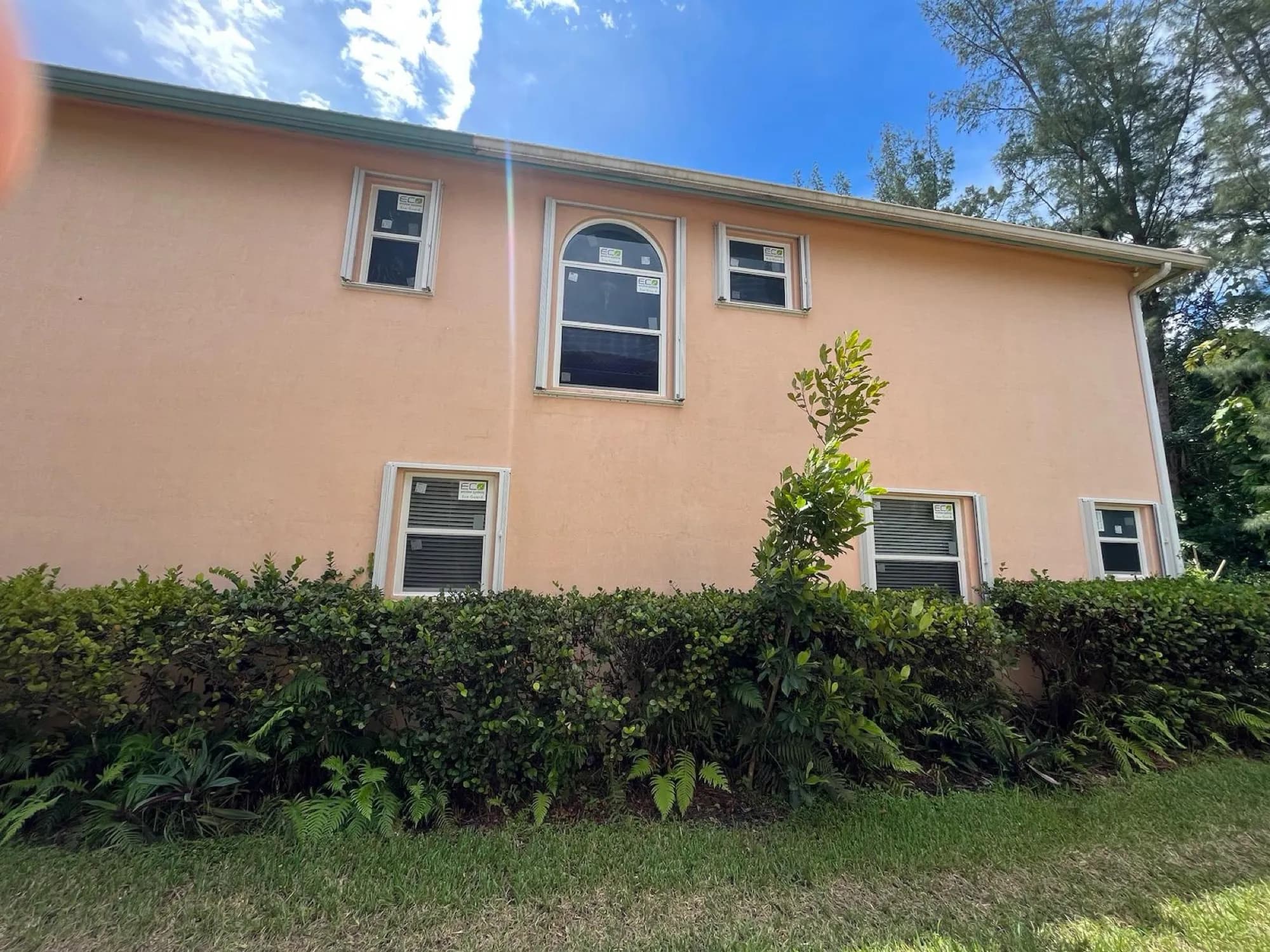
What impact windows cost in South Florida in 2026
If you have been searching for impact window prices in Miami or the rest of South Florida, you already know the numbers jump around. In 2026, most homeowners pay about $800 to $1,800 per typical impact window installed. That range covers many standard openings in single-story homes with Miami-Dade approved systems and a clean install. Coastal High Velocity Hurricane Zone work, oversized picture windows, and premium finishes often land higher. Some coastal or custom openings can reach $1,800 to $3,800 when size, design pressure, and access all stack up. Full-home projects commonly land between $12,000 and $30,000 or more, depending on how many openings you replace and which series you choose. These figures are planning ranges, not a locked quote for your house. An on-site measure is still the only way to price your openings with confidence. Online averages help you prepare, but they cannot see your bucks, elevations, or HOA rules. When you are ready, Atlantic Door Systems can walk you through options and put the numbers in writing so you can plan without guessing.
Why the same house gets such different bids
Homeowners comparing South Florida bids often see spreads that feel almost unfair. One common pattern is the same house quoted from the mid-$20,000s on one end and $60,000 or more on the other. That gap does not always mean someone is trying to take advantage of you. It often means the bids are not describing the same product, the same glass package, or the same scope of work. One contractor may price a mid-tier series with basic finishes and limited trim repair. Another may quote thicker laminated glass, higher design pressure ratings, custom colors, and more finish work. Overhead, warranty terms, crew experience, and who handles permits also change the total. The fastest way to compare apples to apples is a transparent line-item quote that separates product, labor, permit, disposal, and any structural repair. If a bid is only a single number with no product series or NOA details, ask for more clarity before you decide. A calm comparison of written scopes will tell you more than sticker shock alone. Take notes during each estimate so you can ask follow-up questions later without relying on memory.
Typical per-window ranges for Miami and nearby cities
For many Miami, Miami Beach, Coral Gables, Hialeah, and inland Miami-Dade openings, the $800 to $1,800 installed band is a useful starting point. Smaller single hung windows in easier access locations often sit toward the lower or middle part of that band. Larger casements, horizontal rollers, and fixed picture windows move higher because of glass area, hardware, and installation time. Broward and Palm Beach pricing usually follows the same planning logic, though local permit fees and product approval paths can nudge totals. Condo and high-rise work can add staging, elevator reservations, protective floor coverings, and access rules that do not show up in a basic online calculator. If your home sits right on the coast or in an exposed HVHZ setting, plan for the upper end of typical ranges. Ask specifically about design pressure for each elevation rather than assuming one rating fits every wall. Neighborhood age also matters because older homes may need more buck repair before a new unit can sit correctly. Atlantic Door Systems prices from measured openings, so you are not guessing from a website average when it is time to decide.
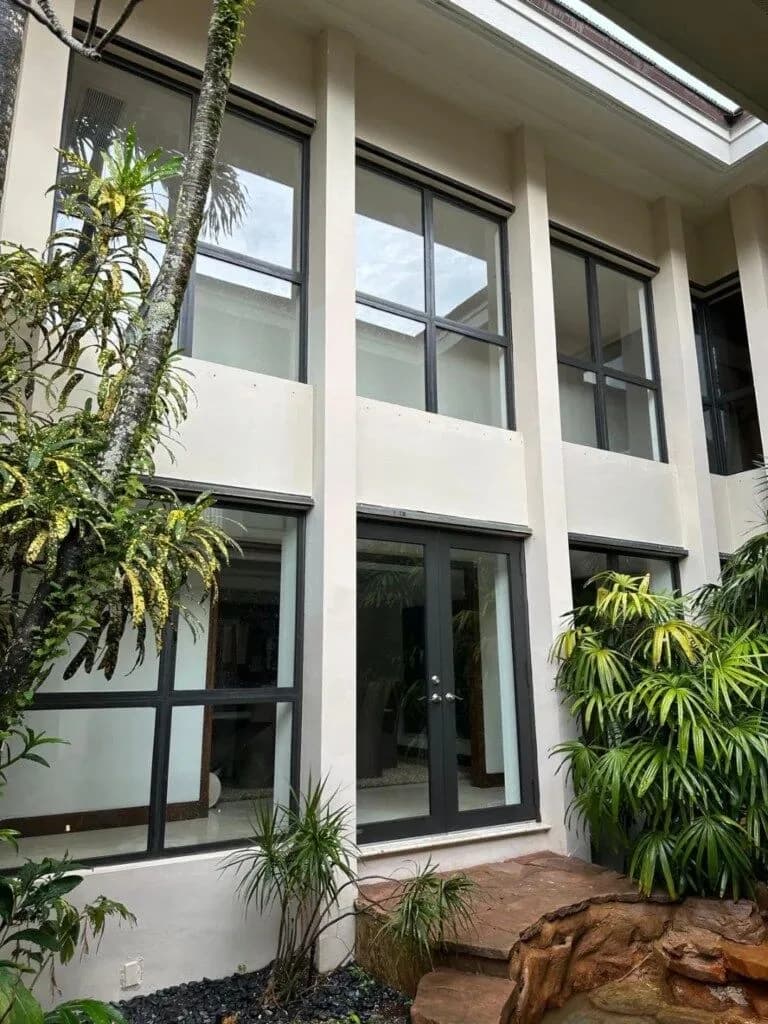
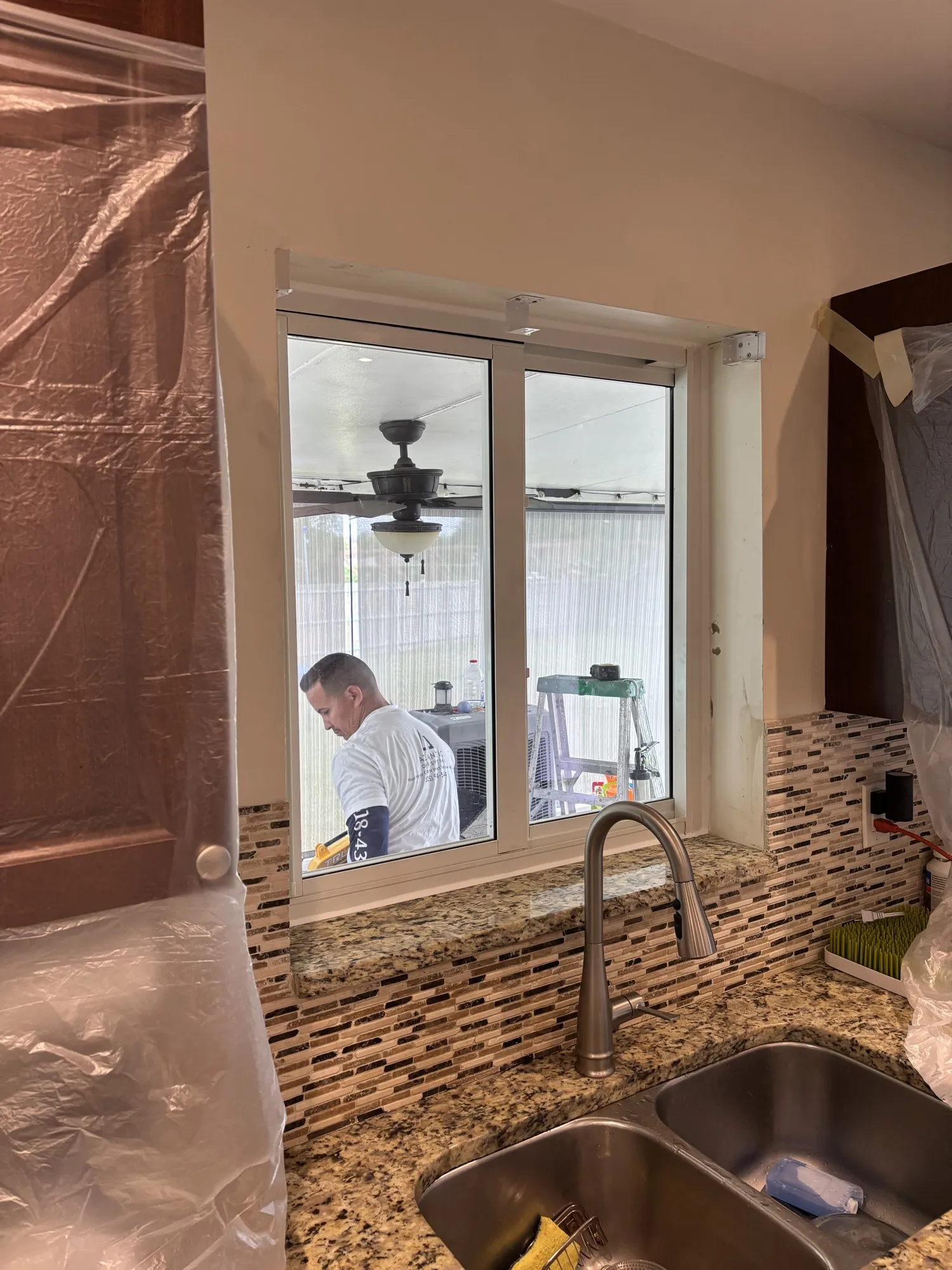
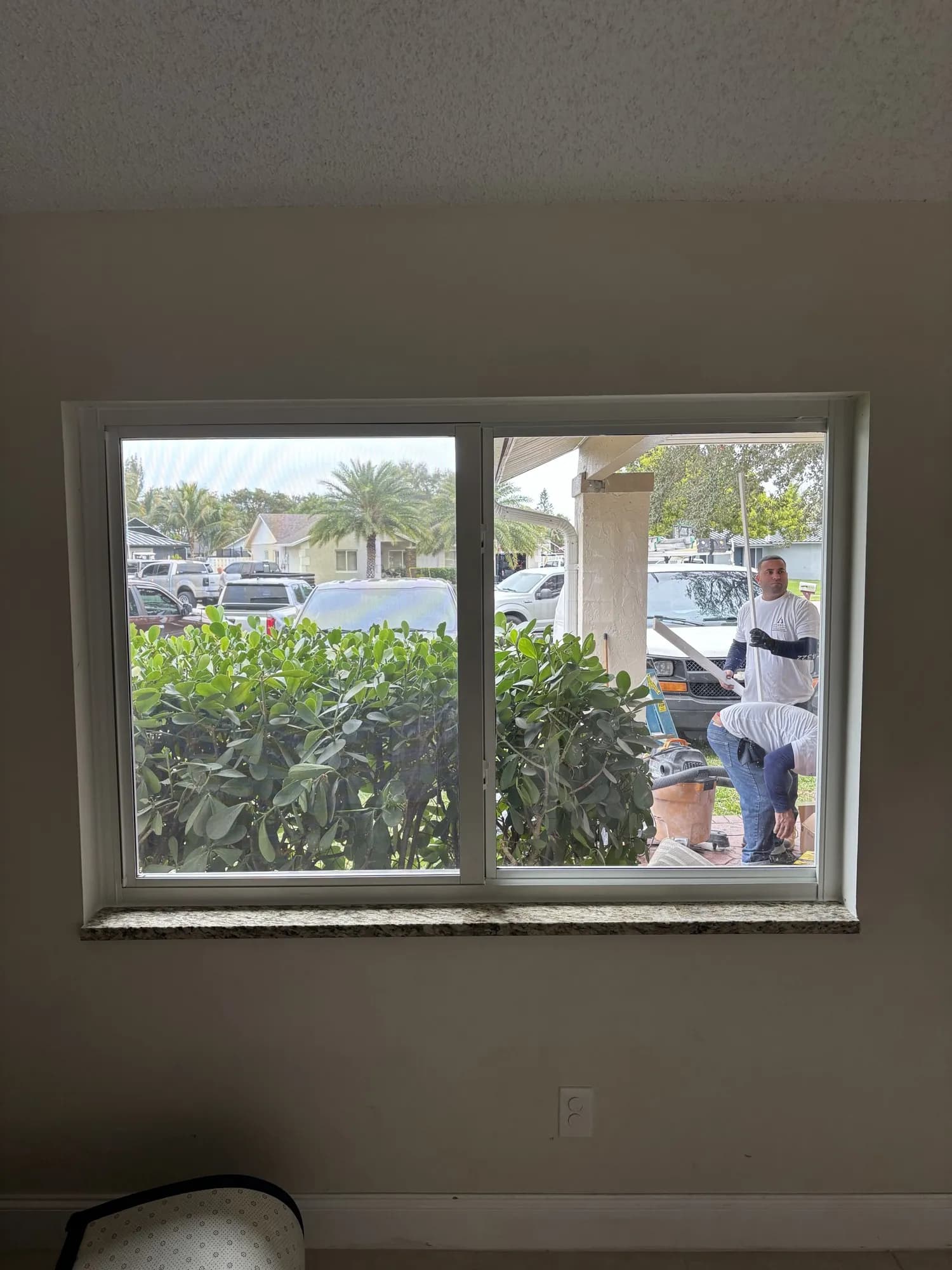
Full-home project budgets you can plan around
Most full-home impact window projects in South Florida still land in the $12,000 to $30,000 band when you are replacing a typical set of residential openings with solid HVHZ-rated product. Homes with fewer openings, simpler configurations, and standard finishes may sit near the lower end. Larger homes, more sliding glass doors, custom colors, and coastal upgrades push totals higher. Some premium quotes go well past $30,000, and that can be legitimate when the scope is large or the product is high end. It can also be a warning sign if the written scope looks ordinary but the price does not. Use published ranges to spot outliers, then get two or three measured bids with matching line items. Do not stretch your budget based on a viral forum total without matching the product list and glass package. Ask each company to price the same opening count and the same door mix so the comparison stays fair. If you want a steady planning conversation, contact us and we will help you map openings to a realistic range before you commit.
What drives price per opening
Size is the first driver most homeowners notice, but it is rarely the only one. Frame material, laminated glass thickness, interlayer type, and design pressure rating all move the number. Finish choices such as custom colors or woodgrain look packages add cost compared with standard white or bronze. Hardware quality, screens, and specialized operators can also change the line item on operable windows. Access matters too. A first-floor opening with clear driveway staging is usually simpler than a second-story window over a pool cage or a tight side yard. Openings that are out of square, rusted at the buck, or missing sound substrate may need reframing or repair before a new unit can sit correctly. Miami-Dade HVHZ products are tested systems, so cheaper untested glass is not a bargain if it fails inspection or insurance review. When you review a quote, ask which of these items are included and which would be extras. Clear answers up front protect your budget, your schedule, and your confidence on install day.
HVHZ and coastal premiums explained simply
South Florida’s High Velocity Hurricane Zone is not just a label on a map. It shapes which products are accepted and how they must perform under wind and debris testing. Homes closer to the coast or on more exposed elevations often need higher design pressure ratings. That can mean heavier frames, more expensive glass packages, and tighter installation details. This is one reason coastal HVHZ openings frequently price above inland averages even when the rough opening looks similar on a tape measure. Miami-Dade approved systems are built and tested as assemblies, not as random parts mixed in the field. If a bid is dramatically cheaper than others for a waterfront home, ask whether the design pressure and NOA configuration truly match your elevations. Paying for the right rating is usually less painful than redoing work after a failed inspection. A qualified local team can explain the rating in plain language so you are not left translating code talk alone. Bring elevation notes or older wind reports to the estimate if you have them.
Permit fees and what should be in the quote
Residential window and door permit fees in most South Florida cities typically run about $300 to $1,500 or more depending on scope, municipality, and how many openings are in the application. That fee is separate from the product and labor, even when it appears inside a larger proposal total. Some companies bury permit cost inside a lump sum. Others show it as a pass-through line item. Atlantic Door Systems charges permit fees at cost with no markup, which keeps that part of the bill easy to verify. Your quote should also say who pulls the permit, who schedules inspection, and who closes it out. Unclosed permits can create insurance and resale headaches later, so treat close-out as part of the real price of the job. If two bids look similar on product but only one includes permit handling and disposal, they are not the same deal. Ask for those line items in writing before you sign. A little paperwork clarity now saves a lot of stress when the inspector or your insurer asks for records.
How to compare bids without getting lost
Start by lining up the product series, glass package, and NOA or approval path for each bid. Then compare labor scope: removal, install, sealing, exterior and interior trim, painting touch-up if any, and haul-away. Next, check permit responsibility and inspection close-out language. Only after those pieces match should you judge the dollar difference. A lower bid that skips disposal, uses a lighter glass package, or leaves permit close-out to you may cost more later. A higher bid that includes stronger ratings, better waterproofing details, and full documentation may be the calmer long-term choice. Bring the same questions to each company and see who answers clearly. You do not need to become a building-code expert overnight. You do need a written scope you can reread without guessing. If you want help reading a comparison set, Atlantic Door Systems is happy to explain our line items in plain English and show where the money goes.
Windows versus doors in a combined project
Many South Florida projects mix impact windows with entry doors, French doors, or sliding glass doors. Doors usually cost more per opening than a standard window because of size, hardware, and waterproofing details. Sliding glass doors often start around $3,500 installed and can climb well higher for large or multi-panel systems. Entry doors commonly fall somewhere near $2,000 to $5,500 depending on slab, glass, and finish. French door units often land around $1,500 to $5,000 or more. When you budget a full home, count door openings separately so a patio wall does not silently consume the window budget. Ask your estimator to group windows and doors on the proposal so you can phase work if needed. Phasing can help cash flow, but you should also ask how Florida’s 25% rule and local amendments might affect partial replacements. A short planning call can save a long surprise later. If doors are your top priority for comfort or leaks, say so early so the proposal reflects that order.
Online calculators versus an on-site measure
Online calculators are fine for rough curiosity, but they cannot see rusted bucks, out-of-square openings, or HOA finish rules. They also cannot confirm whether your elevation needs a higher design pressure than the neighbor’s house one street inland. That is why two homes with the same window count can still land in different price bands. An on-site measure lets a trained estimator check access, substrate condition, and product fit before you lock a number. It also creates a cleaner permit package later because sizes are based on real openings, not guesses from a floor plan photo. If a company quotes a firm total from photos alone, treat that as provisional until someone measures. Photo estimates can be useful for early planning, but they should not replace a field measure for a signed contract. Atlantic Door Systems uses free on-site estimates so your written price matches the house in front of us. That habit protects both your budget and the inspection path.
Insurance, grants, and honest return expectations
Impact windows can support wind-mitigation discussions with your insurer, and programs like My Safe Florida Home may offer grant help when funding and eligibility line up. Those paths are real, but they are not a guaranteed rebate that makes every project cheap overnight. Insurance discounts vary by carrier, inspection results, and the full opening-protection picture of your home. Grants can involve paperwork and timing that affect cash flow, so plan as if reimbursement may take longer than you hope. The sturdier way to judge value is day-to-day comfort, storm readiness, security, quieter rooms, and the quality of the install documentation you keep. Treat possible insurance or grant help as a bonus, not the only reason to buy. Keep NOAs, contracts, invoices, and closed permit records organized for later reviews. If you need documentation support after install, contact us and we will help you gather what inspectors and carriers usually ask for.
How Atlantic Door Systems approaches pricing
We publish planning ranges so you can spot outliers before you invite anyone into your home. Then we measure, specify Miami-Dade appropriate product where required, and put product, labor, permit, and disposal in a written estimate. Our Florida contractor license is CGC1538327, which you can verify on the state DBPR site. Owner involvement and clear paperwork are part of how we keep projects steady from estimate through inspection close-out. We will not promise that every coastal custom opening fits inside the lowest typical number. We will explain why your openings sit where they sit and what choices move the price. If a quote from another company looks confusing next to ours, ask both sides the same scope questions and compare the answers. Soft next step: reach out when you want a calm walkthrough of cost ranges for your windows and doors. We are here to help you plan with clear numbers and no pressure.
Timing, lead times, and budget pacing
Cost is not only the final invoice. Timing also affects how a project feels on your wallet and your calendar. After you approve a proposal, manufacture commonly takes several weeks depending on series, glass, and custom finishes. Permit review can run in parallel in many cities, but HOA architectural review may add its own queue. Install itself is often same-day or short-duration once the units arrive and the opening is ready. If you are budgeting across months, ask which deposits are due at contract, at order, and at install. Clear payment milestones help you pace cash without surprises. Storm season planning matters too. Many homeowners start earlier so lead times do not collide with peak demand. Starting earlier does not mean rushing into the wrong product. It means leaving room for measure, approvals, and manufacture. Atlantic Door Systems can outline a realistic timeline beside the price so your budget and calendar stay aligned.
Red flags and healthy questions to ask
You do not need fear-based sales talk to protect yourself. A few calm questions go a long way. Ask for the contractor license number and verify it. Atlantic Door Systems uses CGC1538327. Ask for the product series and the approval documentation that matches your configuration. Ask who pulls and closes the permit, and what happens if an inspection needs a small correction. Ask what is excluded, especially buck repair, stucco patching, interior paint, and specialty trim. Be cautious with huge prepaid discounts that pressure you to sign before a measure. Be equally cautious with rock-bottom totals that never explain the glass package or rating. Most reputable companies are comfortable answering these questions in writing. If answers stay vague after you ask twice, keep shopping. Your goal is a clear scope, a fair price, and a team that stays accountable through close-out. When you are ready for that kind of conversation, contact us and we will walk through your openings at a steady pace.
Putting a fair South Florida price together
When you are ready to move from research to a real number, gather your opening priorities and invite a measured estimate. Ask each company to price the same window count, the same door mix, and the same inclusions for permit, disposal, and trim. Use the 2026 planning bands as a filter: roughly $800 to $1,800 for many typical windows, higher for coastal HVHZ and oversized units, and about $12,000 to $30,000 or more for many full-home projects. Permit fees often land around $300 to $1,500 or more and should be easy to see on the proposal. If one bid is far outside those bands, ask what product series, glass package, and design pressure are included before you assume it is a bargain or a rip-off. Write down the answers and compare them side by side. A fair price is the one that matches a clear scope, approved product, and a team that will finish inspection close-out. Atlantic Door Systems is glad to help you build that comparison with line items and plain explanations. Our license is CGC1538327, and we pass permit fees through at cost. Contact us when you want a calm walkthrough of cost ranges for your Miami-Dade, Broward, or Palm Beach home. Bring photos, HOA rules, and notes about which openings leak or feel insecure. We will measure, explain tradeoffs, and put a written estimate in your hands so you can decide without pressure. Good budgeting is mostly good information. A solid on-site visit is how you turn these ranges into a number you can trust.
Single hung, casement, and picture window price differences
Not every window type sits in the same part of the $800 to $1,800 band. Single hung units are often among the more familiar residential choices and can land toward the middle of typical ranges when sizes are standard and access is easy. Casements can cost more because of hardware and operable design. Fixed picture windows may look simple, yet large glass areas and higher design pressure needs can push them upward quickly. Horizontal rollers and specialty shapes add their own labor and product variables. When you compare bids, make sure each quote labels the operator type for every opening. A proposal that lumps every unit as a generic window can hide real differences. Ask Atlantic Door Systems to group openings by type on your estimate so you can see where the money goes. That clarity helps you decide where a premium series is worth it and where a solid mid-tier package is enough. It also makes HOA color and grid discussions easier because each opening type is already organized.
Financing conversations without losing scope clarity
Some homeowners pay from savings. Others explore financing, grants, or staged payments. Whatever path you use, keep the product scope separate from the payment method in your thinking. A lower monthly payment does not fix a weak glass package or a missing permit close-out promise. Ask what deposits are due at contract and at order, and what remains at install. Confirm whether change orders for buck repair are priced before work continues. If you are watching My Safe Florida Home or similar programs, plan cash flow as if reimbursement may take time. Atlantic Door Systems can explain payment milestones in plain language while you keep your lender or grant paperwork on your side of the table. The best financial plan is one that still buys approved product, careful labor, and finished documentation. Contact us when you want those pieces lined up before you sign.
2026 South Florida Planning Ranges
Published ranges help spot outlier quotes. Final price requires on-site measure.
- Single window$800–$1,800
- Coastal / oversized window$1,800–$3,800
- Entry door$2,000–$5,500
- Sliding glass door$3,500–$9,000
- French door$1,500–$5,000
- Full home (typical)$12,000–$30,000