
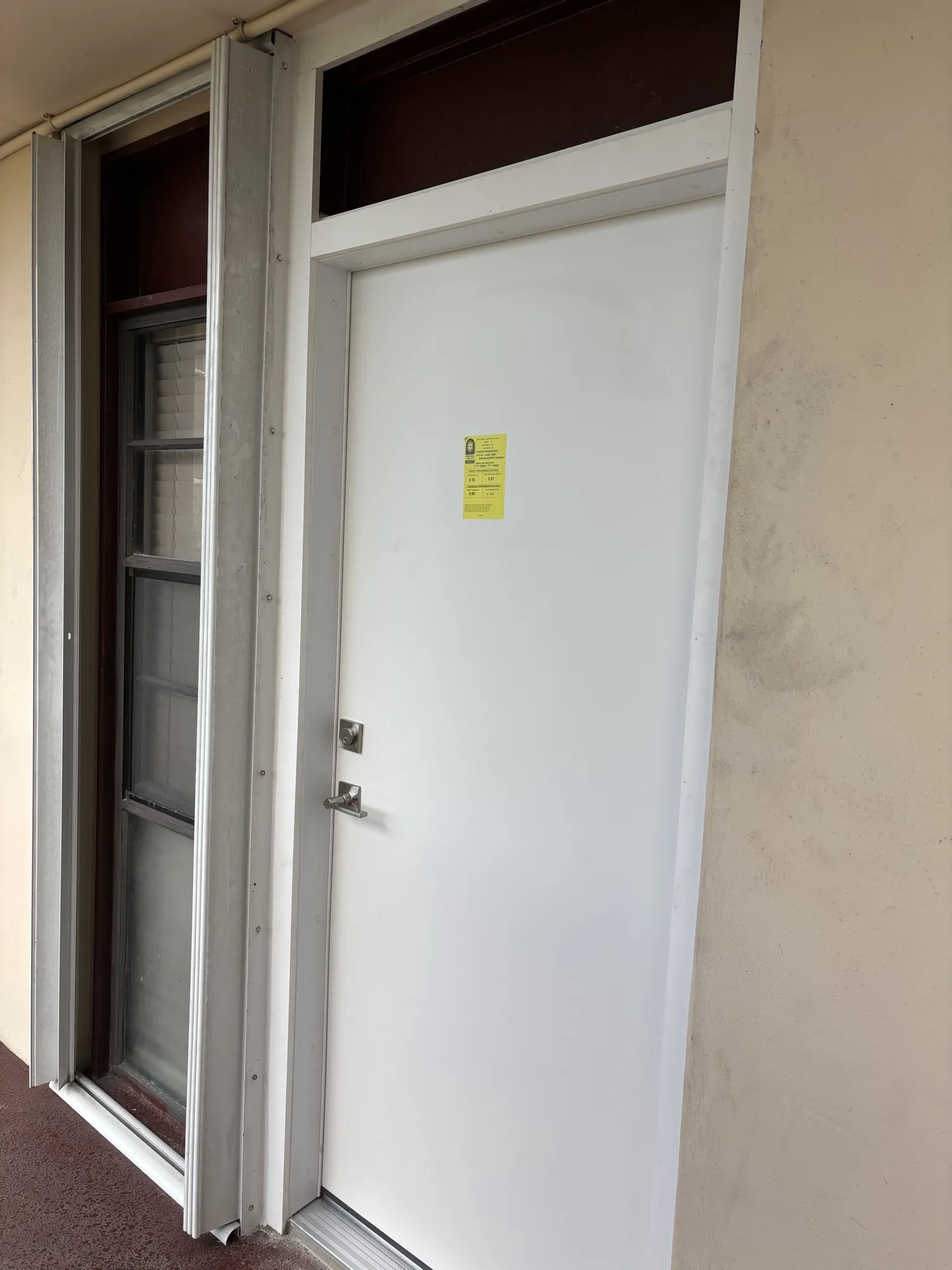
Why South Florida window and door permits matter
If you are replacing impact windows or doors in Miami-Dade, Broward, or Palm Beach, the permit is more than a formality. It is the local path that authorizes the work and sets up inspections. A closed permit also becomes part of the paperwork trail insurers, appraisers, and future buyers may ask about. Homeowners sometimes hope to skip permits to save time or money, then discover the shortcut creates larger problems later. Fines, insurance complications, and resale delays are the usual headaches. The calmer approach is to treat permitting as part of a normal professional job. Atlantic Door Systems builds permit handling into project planning so you are not left figuring out portals and inspection schedules alone. When a company is clear about who pulls and who closes the permit, you can relax a little and focus on product choices.
How the process usually starts
Most projects begin with a measure and a written proposal that identifies openings, products, and responsibilities. After you approve the scope, the permit package is prepared with product approvals, plans or schedules as required, and contractor information. Each city has its own portal habits and document checklists, so the exact upload list can vary. Some jurisdictions want more detail on older homes or complex openings. Others move faster on straightforward replacements. Your job as a homeowner is mainly to provide access, HOA documents if needed, and timely signatures. Your contractor’s job is to assemble a package that matches what the building department expects. Ask for a simple timeline at the start so you know when review typically happens in your city. Clear expectations beat vague promises every time.
Miami-Dade permitting basics for homeowners
Miami-Dade work often brings extra attention to HVHZ product approvals and installation documentation. Municipalities inside the county can differ in fees, review speed, and portal steps, so Miami is not identical to every neighboring city. What stays consistent is the need for accepted product documentation and a real inspection close-out. If your home is in a condo or association, architectural approval may be required before or alongside the city permit. Plan for that parallel track early. Bring any prior permit records you have, especially if openings were altered before. Atlantic Door Systems regularly prepares Miami-Dade packages and explains the steps in plain language. You should not need to become a permitting clerk to protect your home. You should expect a licensed team to guide the sequence and tell you when action is needed from you.
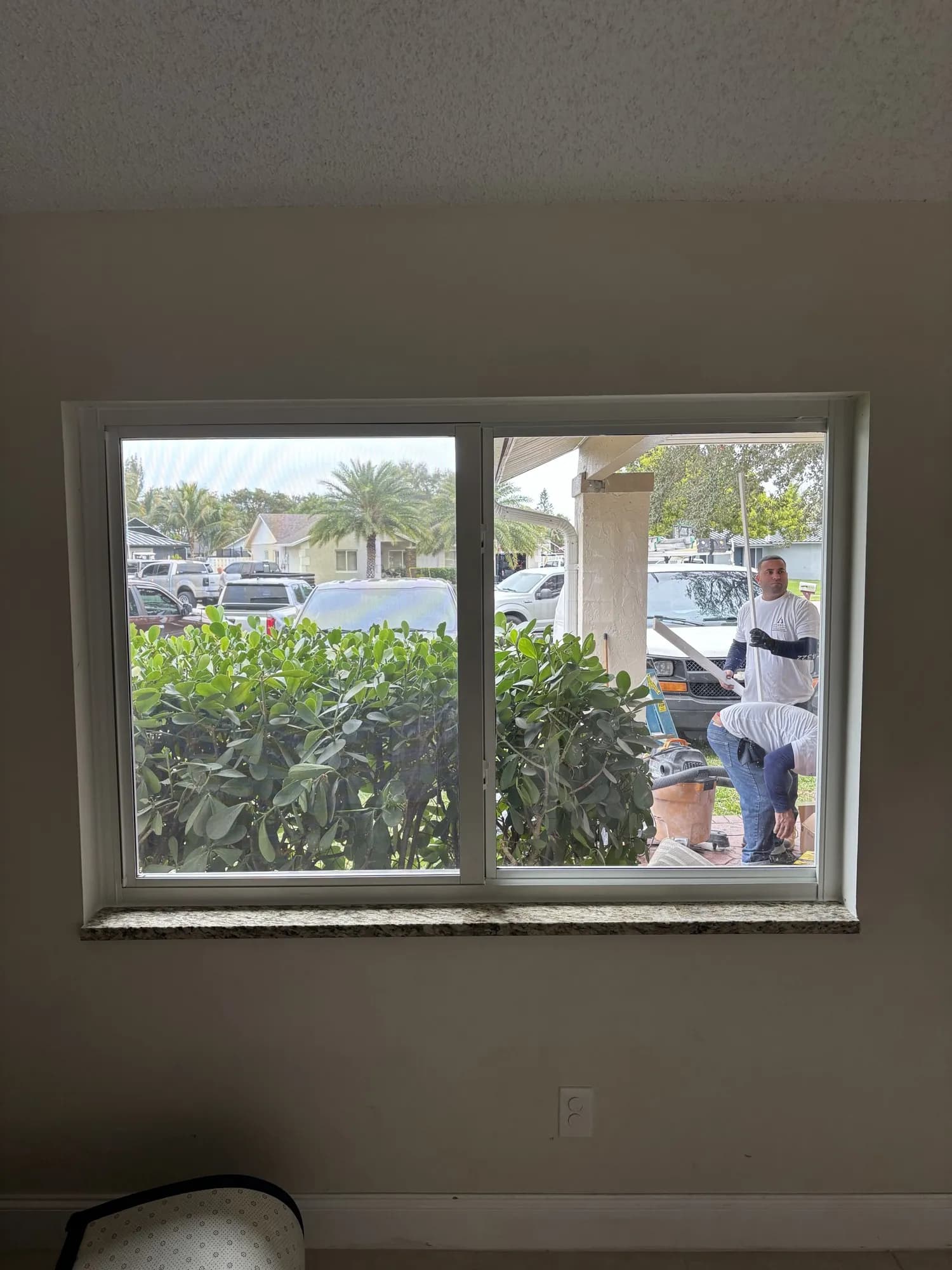
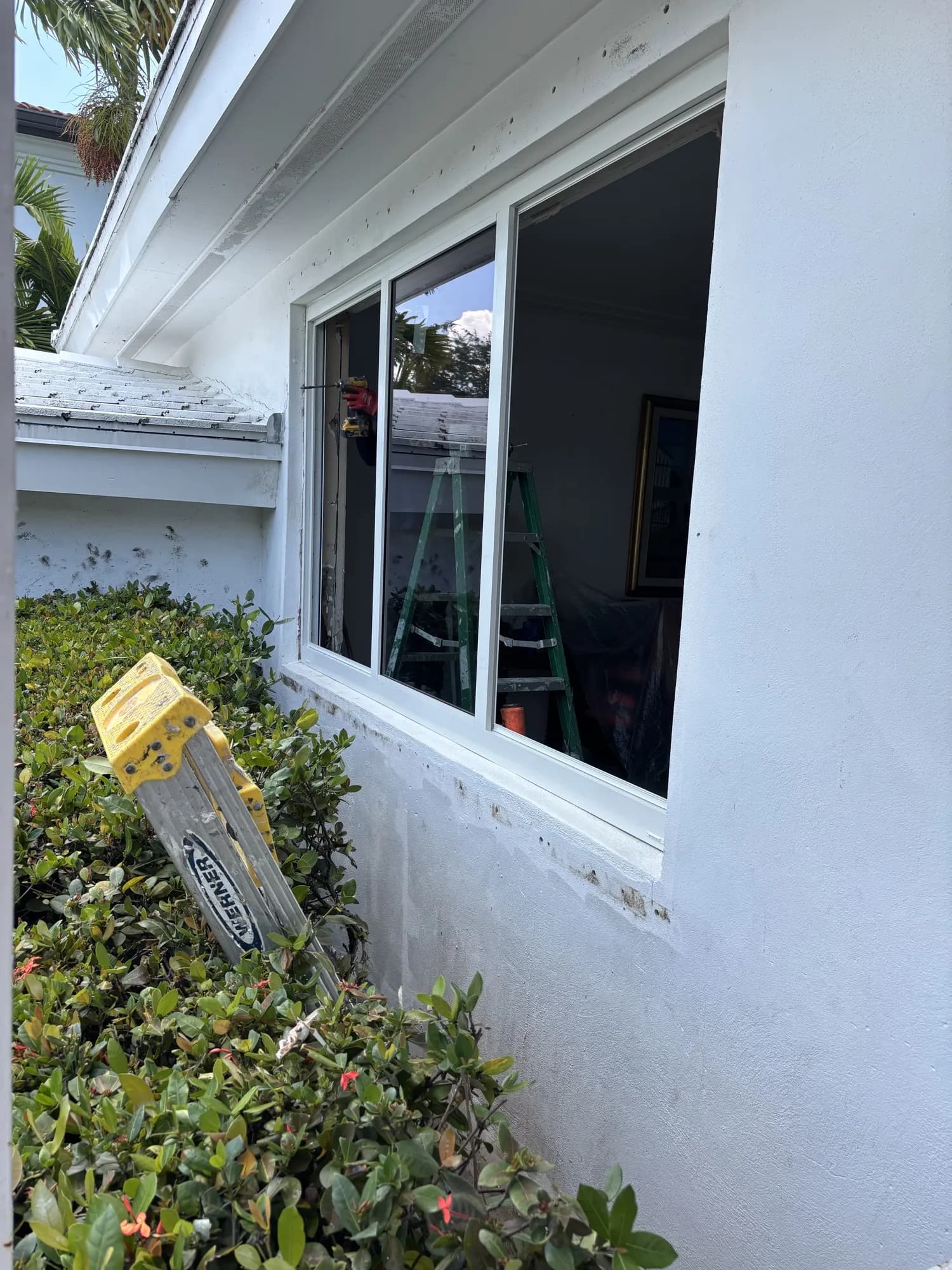
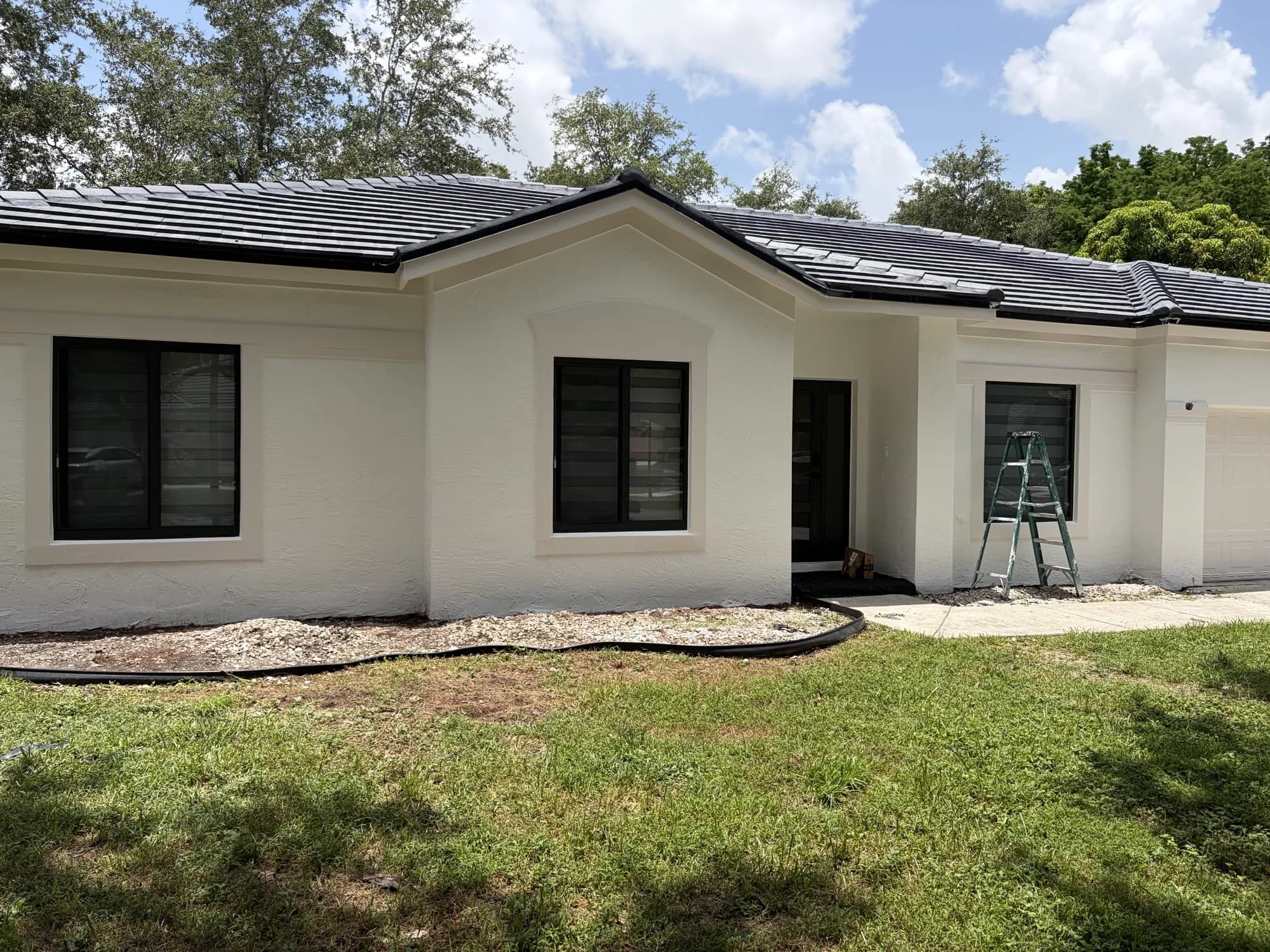
Broward County window and door permit notes
Broward homeowners face a similar big picture with local variation by city. Product approval paths, inspection scheduling, and fee structures can differ from Miami-Dade even when the windows look the same. Some cities are quicker on standard replacements. Others ask for additional detail when openings are large or when structural repairs appear. The practical move is to confirm the jurisdiction early and build the package for that department, not for a generic South Florida template. If you are comparing contractors, ask who has recent experience in your specific city. Familiarity with local reviewers reduces avoidable revisions. We work across Broward communities and treat local requirements as part of normal planning. Contact us if you want a walkthrough of what your city usually needs before manufacture begins.
Palm Beach County considerations
Palm Beach County projects follow Florida Building Code requirements with city-level processes that still deserve respect. Coastal and inland locations can raise different product and documentation needs. HOA communities are common, and architectural packages may take as long as city review if guidelines are strict about color, grid patterns, or door styles. Starting HOA and permit tracks together helps protect your schedule. Ask your installer to list which documents you must supply, such as surveys, association forms, or proof of ownership. Small missing papers are a frequent cause of delay. Atlantic Door Systems helps organize those pieces so the project does not stall for avoidable reasons. A clear checklist at the beginning usually saves phone tag later.
Typical permit fees and what pass-through means
Residential window and door permit fees in many South Florida cities often fall somewhere around $300 to $1,500 or more depending on scope and municipality. Larger projects, additional openings, or related repairs can push fees higher. Atlantic Door Systems charges permit fees at cost with no markup. That pass-through approach keeps the city or county charge visible and easy to verify. Your proposal should separate product and labor from government fees whenever practical. If a bid hides every cost inside one round number, ask how much of it is permit-related. Transparency here builds trust and prevents awkward conversations at payment time. Remember that the fee is only one part of permitting value. The inspection path and closed file are what protect you after the crew leaves.
Inspections you should expect
After installation, the work generally needs inspection before the permit can close. Inspectors look for proper product use, anchoring, and workmanship details according to the approved documents and local practice. If something needs adjustment, that is not automatically a disaster. Many projects have simple corrections that a responsible company handles quickly. What matters is that someone owns the follow-up and schedules the reinspection. Ask your contractor how corrections are communicated and who is on site if the inspector has questions. Homeowners feel much calmer when that process is explained in advance. We treat inspection readiness as part of install quality, not as an afterthought. A clean inspection day is easier when product approvals, fasteners, and sealing details were handled carefully from the start.
Why permit close-out is non-negotiable
An open permit can linger as unfinished business on your property record. That unfinished status can complicate insurance claims, refinancing, and real estate transactions. News stories and homeowner forums regularly warn about this exact headache. Closing the permit is therefore part of the real job, not optional paperwork. Before you hire anyone, ask who is responsible for final close-out and how you will receive confirmation. Get that promise in writing. Atlantic Door Systems treats close-out as a standard project step because protection is incomplete without a finished inspection trail. If you inherited an old open permit from prior work, tell your estimator early. Sorting historical issues may take extra coordination, and honesty up front helps everyone plan.
HOA packages and architectural review
Many South Florida communities require architectural review for window and door changes. Associations may ask for product brochures, color samples, NOA sheets, installation descriptions, and completed application forms. Review board schedules can add weeks, especially in busy seasons. The best defense is an organized package submitted early. Customers often tell us that fast, complete HOA paperwork reduces stress as much as the install itself. Ask your contractor who prepares the association packet and how revisions are handled if the board requests a different finish. Keep copies of every submission. If your HOA has strict aesthetic rules, decide colors before manufacture so you are not stuck waiting on a redesign. We prepare HOA packages as part of our support because community rules are part of real project life here.
Realistic timelines from estimate to closed permit
A useful mental model is estimate, approvals, manufacture, install, inspection, and close-out. Measure and proposal can be relatively quick. Permit and HOA review may take days to weeks depending on the city and association. Manufacture commonly needs several weeks after approvals and order confirmation. Install is often short once units arrive. Inspection scheduling then depends on local calendars and readiness. Adding those stages together explains why starting early before storm season feels wise. It also explains why a company promising overnight full-home completion may be skipping important steps. Ask for a timeline that names each stage instead of one optimistic total. Atlantic Door Systems will outline a practical sequence for your address so you can plan travel, work-from-home days, and payment milestones with fewer surprises.
What homeowners should prepare
You can make permitting smoother with a little preparation. Gather HOA guidelines, gate codes, parking instructions, and any older permit paperwork. Note which openings have leaks, fogging, or security concerns so the proposal reflects priorities. Clear pets and access paths on measure and install days. If you need temporary privacy film or interior protection plans, mention that early. Provide timely signatures on city or association forms when requested. Delays often come from waiting on a single missing page. None of this is complicated, but it does require attention. We guide you through the checklist so you are never guessing what happens next. If something in the portal or association packet confuses you, contact us and we will explain it in plain language.
How Atlantic Door Systems handles permits
Our process is built around measured openings, correct product documentation, city submittals, install readiness, inspection, and close-out. License CGC1538327 is part of the contractor information used on applications. Permit fees are passed through at cost. Owner involvement and office support help keep packages complete, including HOA documents when your community requires them. We will not pretend every city moves at the same speed. We will communicate where your project sits in the sequence. Soft next step: reach out when you want a window or door replacement plan that includes permitting from the beginning. That is how you protect both the home and the paperwork trail that follows the work.
A simple checklist before your permit starts
Before your contractor uploads the first form, run through a short homeowner checklist. Confirm the city or county that has jurisdiction over your address. Confirm whether an HOA architectural package is required and who will prepare it. Confirm the product approvals that will accompany the application. Confirm who pays the permit fee, who schedules inspection, and who closes the file. Confirm how you will receive written proof when the permit is closed. Those six confirmations prevent most of the confusion we see on South Florida window and door jobs. Add gate codes, parking notes, and preferred communication contacts so the office can move quickly when a signature is needed. If you have an older open permit on the property, disclose it early so it can be addressed in the plan. Atlantic Door Systems builds this checklist into project kickoff because permits are part of protection, not paperwork theater. We charge city and county fees at cost, hold license CGC1538327, and stay with the job through inspection close-out. Contact us when you want a Miami-Dade, Broward, or Palm Beach replacement plan that includes permitting from day one. A clear start makes a calm finish much more likely.
Digital portals and signatures homeowners actually handle
Many South Florida cities now run permits through online portals. Your contractor usually handles the technical upload, yet you may still receive emails asking for owner authorization, identity confirmation, or fee payment links. Watch your inbox and spam folder during review. Responding quickly keeps the file moving. If a portal message is confusing, forward it to your project office instead of guessing. Ask who on the Atlantic Door Systems team is watching your application so you always know the contact person. Keep screenshots of fee receipts and approval notices in your project folder. Small digital crumbs become useful when someone later asks when the permit was issued or closed. A little organization on your side pairs well with professional permit handling on ours.
What delays look like and how to reduce them
Common delays include incomplete product sheets, missing HOA letters, unpaid fees, unclear contractor license info, and inaccessible openings on inspection day. Weather can postpone installs and therefore inspections. Revision requests from plan review can also add days if documents need correction. You reduce delay risk by choosing a team that submits complete packages, by returning signatures promptly, and by keeping the site ready when inspection is scheduled. Ask for status updates at natural milestones: submitted, approved, ordered, installed, inspected, closed. You should not need daily check-ins, but you should never feel forgotten. Atlantic Door Systems communicates those milestones so you can plan around them. If a delay is on the city side, we say so plainly. Honest timing is better than optimistic silence.
Commercial storefronts and residential rules are not identical
If you own a storefront or mixed-use space, permitting can include additional life-safety and accessibility considerations beyond a typical house replacement. Residential guides still help with the big ideas of approvals, inspections, and close-out, but commercial scopes deserve their own checklist. Tell your estimator whether the project is a home, a condo unit, or a commercial opening so the permit path starts correctly. Mixing assumptions is a frequent cause of rework. Atlantic Door Systems handles residential impact window and door permitting across South Florida and can discuss commercial needs when that is your project type. The shared principle remains the same: approved product, inspected work, and a closed file you can prove later. Take notes during every call with the building department and share those notes with your installer so the permit package stays aligned. A shared written plan protects everyone when schedules get busy. When you are ready for help, Atlantic Door Systems can review your openings and outline next steps in plain language. Take notes during every call with the building department and share those notes with your installer so the permit package stays aligned. A shared written plan protects everyone when schedules get busy. When you are ready for help, Atlantic Door Systems can review your openings and outline next steps in plain language. Take notes during every call with the building department and share those notes with your installer so the permit package stays aligned. A shared written plan protects everyone when schedules get busy. When you are ready for help, Atlantic Door Systems can review your openings and outline next steps in plain language. Take notes during every call with the building department and share those notes with your installer so the permit package stays aligned. A shared written plan protects everyone when schedules get busy. When you are ready for help, Atlantic Door Systems can review your openings and outline next steps in plain language. Take notes during every call with the building department and share those notes with your installer so the permit package stays aligned. A shared written plan protects everyone when schedules get busy. When you are ready for help, Atlantic Door Systems can review your openings and outline next steps in plain language. Take notes during every call with the building department and share those notes with your installer so the permit package stays aligned. A shared written plan protects everyone when schedules get busy. When you are ready for help, Atlantic Door Systems can review your openings and outline next steps in plain language. Take notes during every call with the building department and share those notes with your installer so the permit package stays aligned. A shared written plan protects everyone when schedules get busy. When you are ready for help, Atlantic Door Systems can review your openings and outline next steps in plain language.
Final homeowner reminder
Rules, approvals, and prices are easier when you slow down and write things down. Keep product sheets, permit records, and proposal line items together from the first estimate. Ask calm questions until the answers are clear enough to explain to a family member. If a company dislikes questions, that is useful information. Atlantic Door Systems welcomes questions because clear homeowners make smoother projects. Contact us when you want local guidance for your South Florida windows and doors. We will help you move from uncertainty to a measured plan you can trust. License CGC1538327 is on our paperwork, and our process is built around documentation that lasts after install day. Your home deserves that kind of steady care, and you deserve a team that explains the path without pressure or panic.
After close-out: what to save for insurance season
When the permit finally shows closed, take ten minutes to finish your homeowner file. Save the closed-permit confirmation, final inspection notes if provided, NOA or approval sheets, invoices, and warranty contacts. Email yourself a zip folder or store copies in cloud storage so a phone loss does not erase the record. If you later schedule a wind-mitigation inspection, that packet becomes your friend. If you refinance or sell, you will already have proof that the work was authorized and finished. Many homeowners forget this step because the windows look done and life moves on. The paperwork is part of the value you paid for. Atlantic Door Systems can resend project documents if you need duplicates from a job we completed. Contact us rather than scrambling through old texts during an insurance review. A closed permit plus an organized folder is one of the quietest forms of storm-season readiness you can buy.