
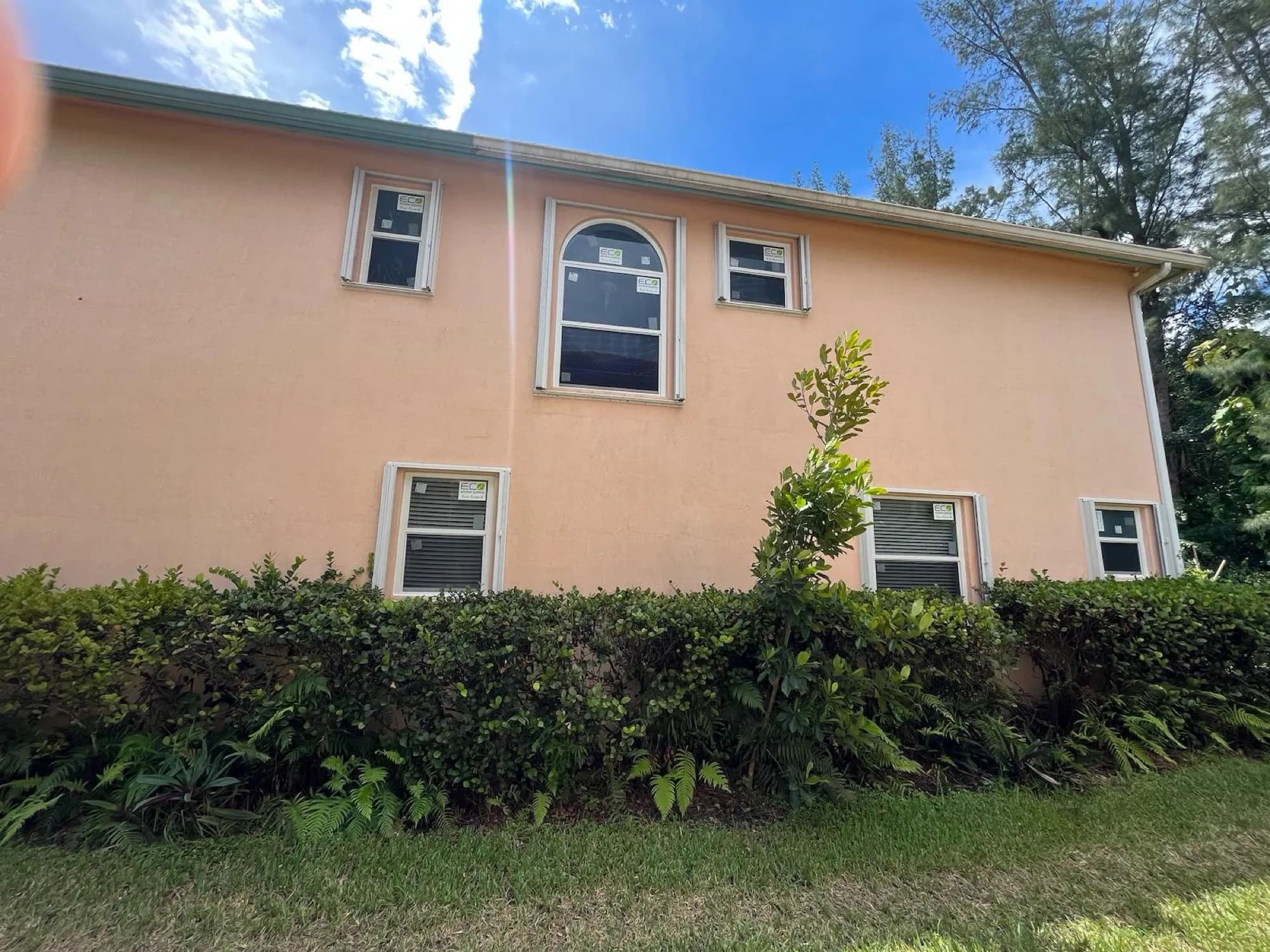
Choosing between aluminum and vinyl hurricane impact windows is one of the first decisions you'll face once you start planning a window project in Florida. Here's the short version: neither material is automatically more hurricane-resistant than the other. What protects your home is the tested glass, frame, and installation working together as a single approved system.
Aluminum tends to be the stronger fit for large or coastal openings, with thinner sightlines than vinyl, especially with a thermally broken frame. Vinyl often wins on value and insulation for standard-sized openings, and it holds up well against Florida's heat when you choose the right series for our climate. Ready to see which system fits your actual home? Get a free measurement and estimate, to see how aluminum and vinyl compare for your home.
Impact Rating vs. Frame Material
Before you weigh aluminum against vinyl, it helps to understand what actually earns a window its hurricane rating. In Miami-Dade and Broward, that's the Notice of Acceptance, or NOA, and it's issued to the full tested window system rather than to one material on its own. Both aluminum and vinyl frames can carry an NOA for large-missile impact testing, so the aluminum-versus-vinyl debate you see in marketing isn't the deciding factor for storm protection. Browse our Miami-Dade Approved Impact Windows for the specific systems we install.
That said, frame material still shapes size limits, comfort, coastal durability, and price, which is where the real differences between aluminum and vinyl windows show up.
Aluminum vs. Vinyl Windows: Quick Comparison
| Factor | Aluminum | Vinyl |
|---|---|---|
| Large / coastal openings | Usually better | More limited |
| Energy / heat | Needs thermal break | Often stronger default |
| Salt air | Strong with right finish | OK inland / sheltered |
| Look / sightlines | Slimmer | Bulkier |
| Typical cost | Higher on big/custom | Often lower on standard |
| Best for | Waterfront, oversized openings | Whole-home standard sizes |

Aluminum Windows in Florida
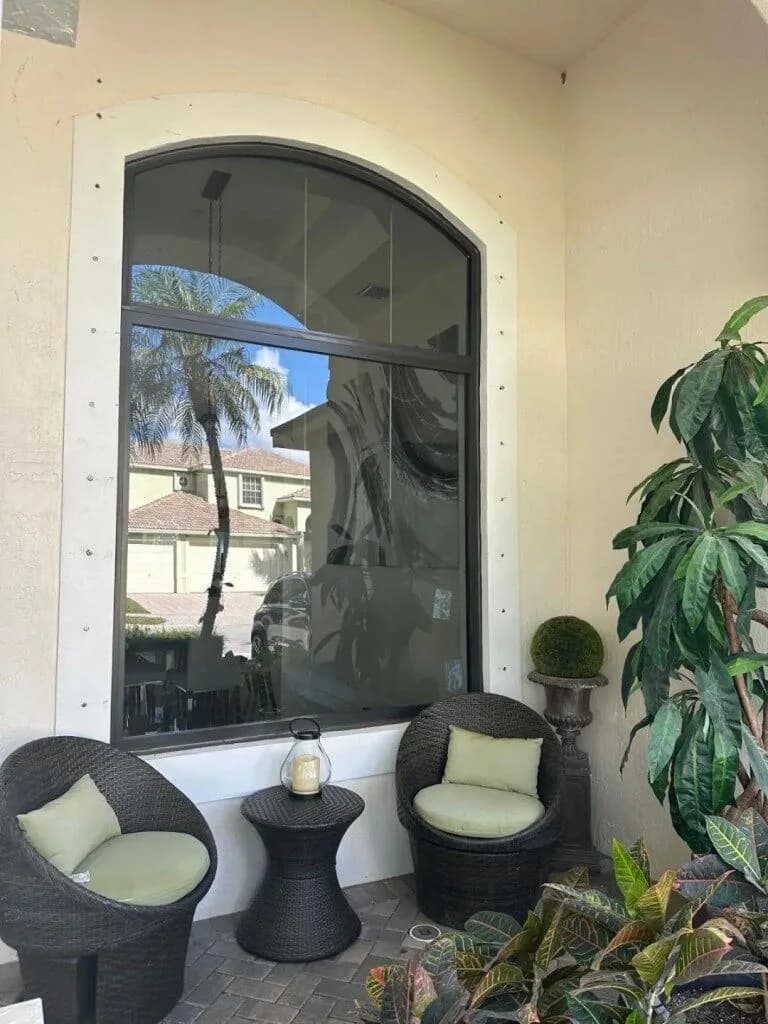
Aluminum has been a trusted window material in South Florida for decades, and it's easy to see why. It's strong enough to support large picture windows, oversized sliders, and high design-pressure openings that vinyl frames often can't match. Aluminum also holds up well along the coast when it's finished correctly, and its narrow frame lines let in more glass and more natural light than a bulkier frame would.
The tradeoff is heat transfer. Standard aluminum conducts temperature easily, which can work against you during Florida's long cooling season, and aluminum windows typically cost more once you move into large or custom openings.
Thermally Broken Aluminum: When It's Worth It
A thermally broken frame adds an insulating barrier between the interior and exterior aluminum, reducing heat transfer and condensation. It's worth specifying if you're on the waterfront, installing large picture or casement windows, or meeting high design-pressure requirements. On a standard inland home with modest-sized openings, a quality vinyl system or a standard aluminum frame may serve you just as well without the added cost.
Vinyl Windows in Florida
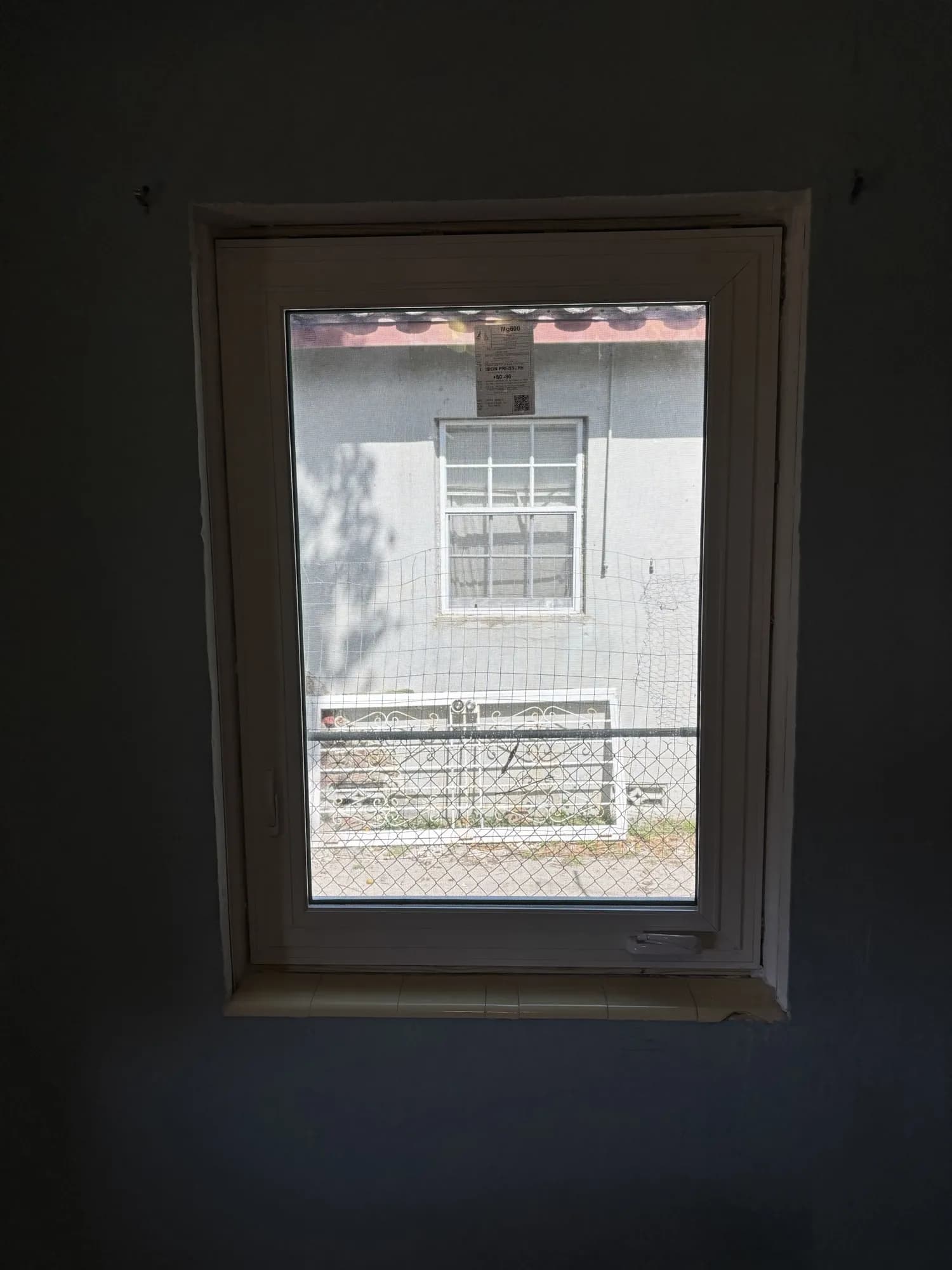
Vinyl impact windows have become a popular choice for Florida homeowners who want strong insulation and a lower price point on standard-sized openings. Vinyl doesn't conduct heat the way aluminum does, so it often performs well against Florida's sun without needing a thermal-break upgrade. It also requires very little upkeep, since vinyl frames don't need repainting or refinishing over time. Vinyl does have limits. It's harder to find in oversized configurations or custom colors, and a lower-quality vinyl series can struggle with long-term heat and UV exposure.
Are Vinyl Windows Good in Florida?
Yes, when you choose an impact-rated system built from the right series for our climate. Vinyl is a solid choice for standard window openings across most of a home. It's less suited to oversized coastal openings, where aluminum's strength and higher design-pressure ratings usually make more sense.
What Matters More in South Florida
Frame material is only one part of the decision. A few other factors carry just as much weight for homes in Miami-Dade, Broward, and Palm Beach:
- High-Velocity Hurricane Zone (HVHZ) requirements and your home's design-pressure needs
- Salt spray exposure if your home sits near the coast
- Permits and a closed final inspection, which every impact window project in our service area requires
One detail worth knowing: Florida's 25% rule lets you replace up to 25 percent of your home's total window and door glazing within any 12-month period without those units needing full impact protection. Go past that threshold, and any additional replacements in that window need to meet current opening-protection requirements. Your local permitting office can confirm exactly how this applies to your project.
Impact-rated glass also doesn't automatically guarantee a wind-mitigation insurance discount. Florida's wind-mitigation inspection form doesn't distinguish between aluminum and vinyl frames, so ask your insurer directly what documentation they require before you count on a specific savings amount.
Cost and the Real Decision
For most Florida homes, impact windows run about $800 to $1,800 installed per opening, with coastal or oversized openings costing more. Size, glass package, and window series drive that price as much as frame material does. See our full impact window cost guide for a closer breakdown.
Choose aluminum if:
- Your openings are large, coastal, or rated for high design pressure
- Slim sightlines and maximum glass area matter to you
- You need a system built for oversized picture windows or sliders
Choose vinyl if:
- Most of your openings are standard sized
- You want strong insulation without paying for a thermal break
- You're outfitting a whole home on a set budget
FAQ
Is aluminum or vinyl better for Florida homes? +
Neither is better across the board. Aluminum suits large, coastal, or high design-pressure openings, while vinyl offers strong insulation and value on standard-sized windows.
Do I need thermally broken aluminum? +
Only if you're near the water, installing oversized openings, or meeting high design-pressure requirements. Standard aluminum or a quality vinyl system works fine for most inland, standard-sized projects.
Does frame material affect my Miami-Dade NOA? +
Not directly. Both aluminum and vinyl systems can carry a Miami-Dade Notice of Acceptance. What matters is that the specific tested system, including the frame, the glass, and the installation, is NOA-approved for your home.
If you're weighing windows against shutters instead of comparing materials, see our impact windows vs shutters comparison.
Get a Free Florida Impact Window Estimate
Not sure if aluminum or vinyl is the right call for your home? We'll measure your openings, walk you through both systems, and give you a straightforward estimate.